
Anti-promyelocytic leukaemia protein (PML) antibodies
Test details
Autoimmune liver diseases are a group of rare chronic liver disorders caused by immune dysregulation, leading the immune system to attack hepatic structures. Primary biliary cholangitis (PBC)—formerly known as primary biliary cirrhosis—is a chronic autoimmune cholestatic condition affecting cholangiocytes, the epithelial cells of intrahepatic bile ducts. The disease progresses slowly and may lead to fibrosis, cirrhosis and, in later stages, liver transplantation. However, early diagnosis and appropriate treatment can significantly improve prognosis and help prevent progression to cirrhosis.
The diagnosis of PBC is based on biochemical abnormalities of the liver, ruling out other causes of chronic liver disease and the identification of specific autoantibodies, which represent key serological markers. Anti-mitochondrial antibodies (AMA) are detected in 90–95% of patients with PBC and are one of the main diagnostic criteria. In AMA-negative patients (5–10%), antinuclear antibodies (ANA) may be present and are diagnostically and prognostically relevant. PBC-specific ANA react with the nuclear pore complex (rim-like membrane, RLM) or the nuclear envelope (multiple nuclear dots, MND).
RLM antigens include the 210 kDa glycoprotein (gp210), the 62 kDa nucleoporin (NUP62), and the lamin B receptor (LBR). Detectable in approximately 9–26% of PBC patients, anti-gp210 antibodies are highly specific for PBC, predictive of liver failure and can persist even after liver transplantation. A similar specificity is provided by anti-NUP62 antibodies, present in 15–55% of cases, while anti-LBR antibodies are found in 1–9% of patients.
MND antigens include the 100 kDa (sp100) and 140 kDa (sp140) granular nuclear proteins, small ubiquitin-like modifiers, and promyelocytic leukaemia protein (PML). Anti-Sp100 antibodies are detected in 20–40% of PBC patients and are more frequent in those with severe disease progression. The prognosis for anti-PML positive patients is generally poor.
Sample type
serum, EDTA plasma, heparin plasma, citrate plasma
Method
Immunoblot
Preparation
Fasting for at least 8-12 hours before sampling
Storage conditions
Refer to the Health Service Charter to check storage conditions
Shipping
+2/+8°C.
References
European Association for the Study of the Liver. EASL Clinical Practice Guidelines: Autoimmune hepatitis. J Hepatol. 2015 Oct;63(4):971-1004. doi: 10.1016/j.jhep.2015.06.030. Epub 2015 Sep 1. Erratum in: J Hepatol. 2015 Dec;63(6):1543-4. PMID: 26341719.
Sorrentino, M.C., Carbone, T., Cinquanta, L., Alessio, M.G., Infantino, M., Deleonardi, G., et al. (2024). Linee guida SIPMeL per la determinazione degli autoanticorpi nella diagnosi delle malattie autoimmuni del fegato [Italian Society of Clinical Pathology and Laboratory Medicine guidelines on the use of autoantibody tests in the diagnosis of liver autoimmune diseases]. LA RIVISTA ITALIANA DELLA MEDICINA DI LABORATORIO, 20(1), 31-55 [10.23736/s1825-859x.24.00226-3].
European Association for the Study of the Liver. EASL Clinical Practice Guidelines: The diagnosis and management of patients with primary biliary cholangitis. J Hepatol. 2017; 67(1): 145-72
Gatselis NK, Dalekos GN. Molecular diagnostic testing for primary biliary cholangitis. Expert Rev Mol Diagn. 2016; 16(9): 1001-10
Himoto T, Nishioka M. Autoantibodies in liver disease: important clues for the diagnosis, disease activity and prognosis. Auto Immun Highlights. 2013; 4(2): 39-53
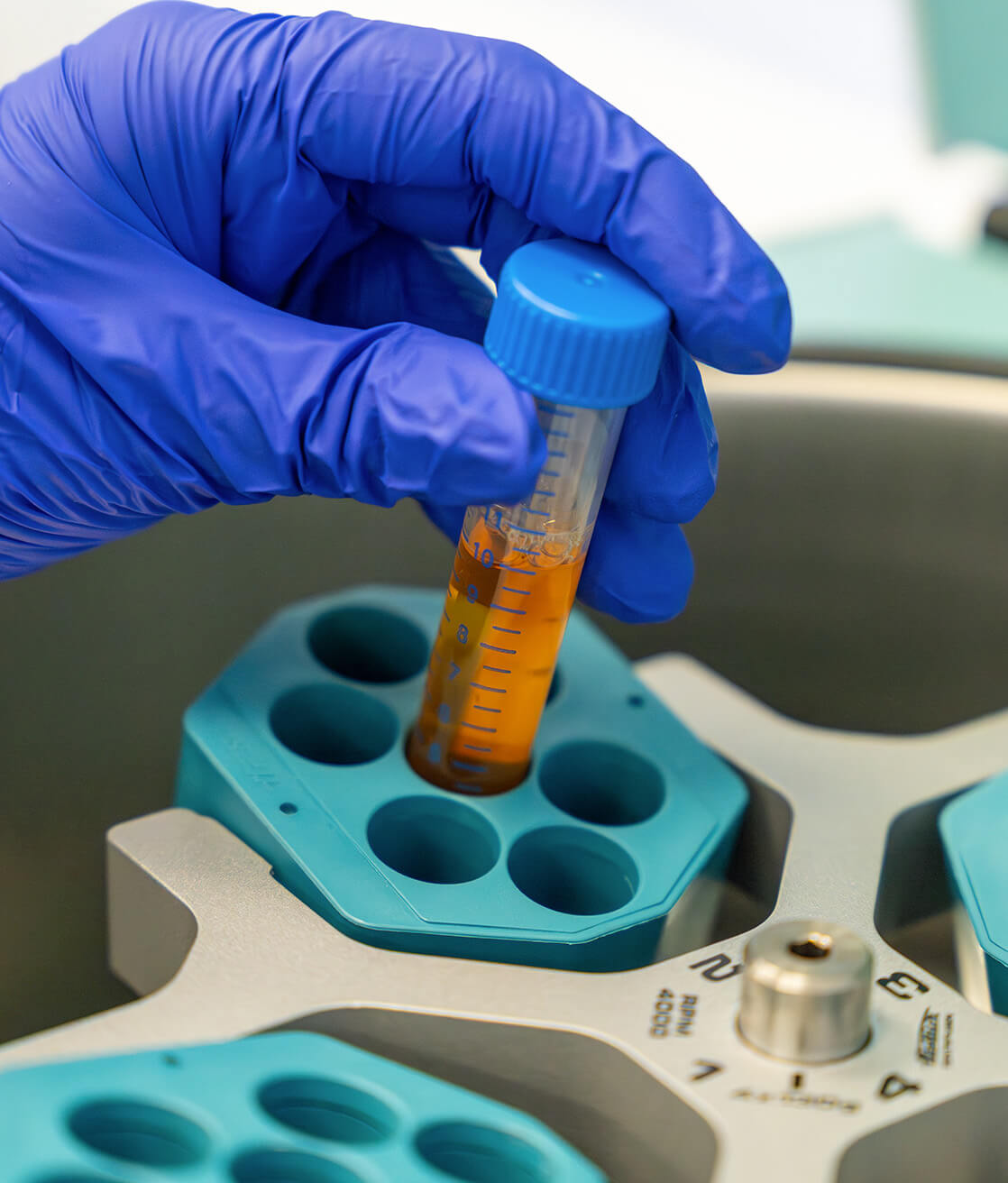
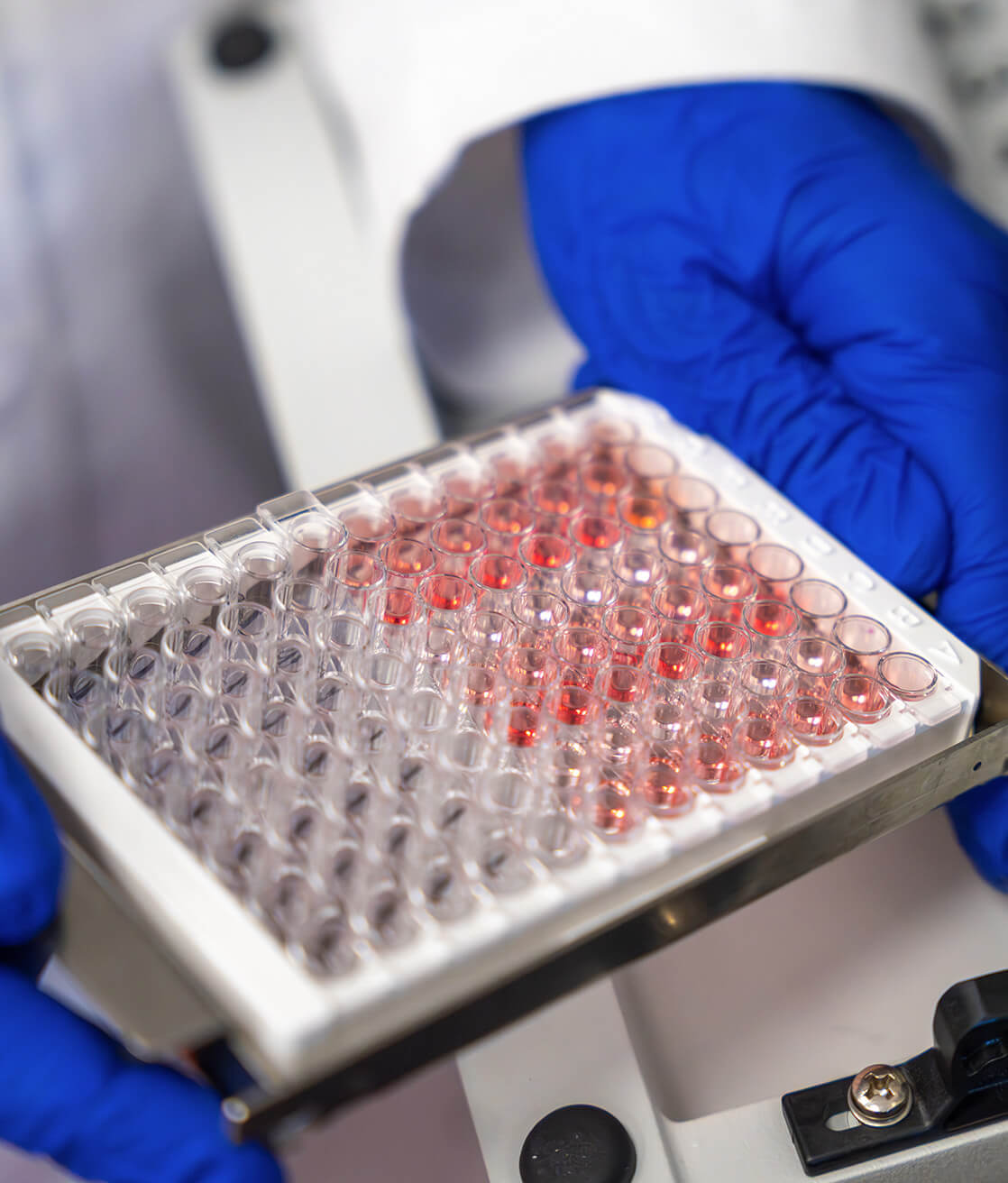
laboratory analysis
Find other tests
Total tau
This test provides the quantitative determination of total tau protein to support the diagnosis of Alzheimer’s disease.
Phosphorylated Tau (pTau181)
This test provides the quantitative determination of tau protein phosphorylated at threonine 181 (pTau181), to support the diagnosis of Alzheimer’s disease.
Anti–NMDAR Antibodies
Test for the determination of human autoantibodies against NMDAR to support the diagnosis of paraneoplastic neurological syndromes with an intermediate-risk phenotype.
Discover what’s new
Subscribe to the newsletter
Subscribe to our newsletter to be always updated.