
Anti-fibrillarin Antibodies
Test details
SARDs are a heterogeneous group of disorders characterized by dysregulation of the immune system, that starts to turn against the body’s own tissues. Major SARDs include systemic lupus erythematosus, rheumatoid arthritis, systemic sclerosis and Sjögren’s syndrome. These diseases can affect multiple organs and share common symptoms such as fatigue, fever, joint pain and skin rash. Diagnosis relies on a combination of clinical assessment and specific autoantibody tests. Early diagnosis is crucial to initiate appropriate therapy and slow down disease progression.
The target antigen of anti-fibrillarin autoantibodies is the small nucleolar ribonucleoprotein particle U3-snRNP, whose main protein component is fibrillarin, a highly conserved protein involved in rRNA maturation and modification.
Anti-fibrillarin autoantibodies are a specific serological marker for systemic sclerosis (SSc). They are present in approximately 4–10% of SSc patients, with higher prevalence among African American populations, and tend not to coexist with the classic autoantibodies of the disease, such as anti-topoisomerase I (anti-Scl-70) and anti-centromere antibodies (ACA).
Autoimmune hepatitis is classified into three subtypes based on the autoantibody profile:
A. Type 1 AIH: the most common form, can affect both children and adults; defined by the presence of antinuclear antibodies (ANA) and/or anti-smooth muscle antibodies (ASMA);
B. Type 2 AIH: more frequent in paediatric/adolescent patients; characterized by antibodies to LKM1 (liver–kidney microsomal type 1) and/or LC1 (liver cytosol type 1);
C. Type 3 AIH: more recently proposed; defined by anti-SLA/LP (soluble liver antigen/liver–pancreas antigen) antibodies. There is ongoing debate as to whether this should be considered as a separate entity or a variant of type 1 AIH.
Anti-smooth muscle antibodies (ASMA) are one of the main serological markers of type 1 AIH, detected in 70–85% of patients, often in association with ANA. ASMAs recognise a heterogeneous group of smooth-muscle cytoskeletal antigens, including F-actin (polymerised actin filaments), vimentin, and desmin. ASMAs against F-actin are the most specific for type 1 AIH, and their detection is useful for diagnostic and classification purposes.
The gold standard for ASMA screening is indirect immunofluorescence (IIFT) on rat stomach sections to reveal the typical fibrillar/perivascular pattern.
Sample type
Serum, EDTA plasma, heparin plasma, citrate plasma
Method
Immunoblot
Preparation
Fasting for at least 8-12 hours before sampling
Storage conditions
Refer to the Health Service Charter to check storage conditions
Shipping
+2/+8°C
References
Okano Y, Steen VD, Medsger TA Jr. Autoantibody to U3 nucleolar ribonucleoprotein (fibrillarin) in patients with systemic sclerosis. Arthritis Rheum. 1992 Jan;35(1):95-100. doi: 10.1002/art.1780350114. PMID: 1731817.Nikpour M, Stevens WM, Herrick AL, Proudman SM. Epidemiology of systemic sclerosis. Best Pract Res Clin Rheumatol. 2010 Dec;24(6):857-69. doi: 10.1016/j.berh.2010.10.007. PMID: 21665131.
Tormey VJ, Bunn CC, Denton CP, Black CM. Anti-fibrillarin antibodies in systemic sclerosis. Rheumatology (Oxford). 2001 Oct;40(10):1157-62. doi: 10.1093/rheumatology/40.10.1157. PMID:
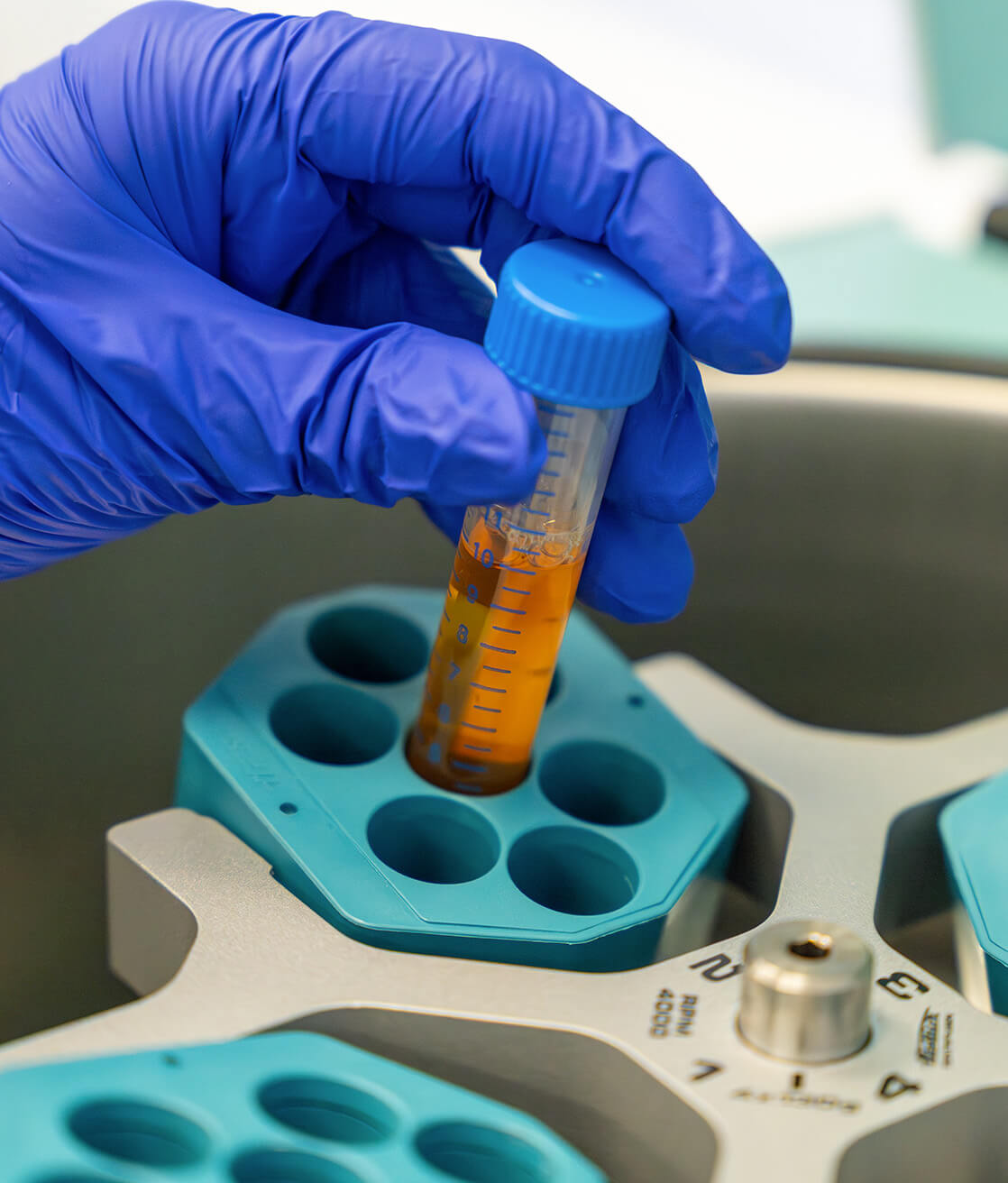
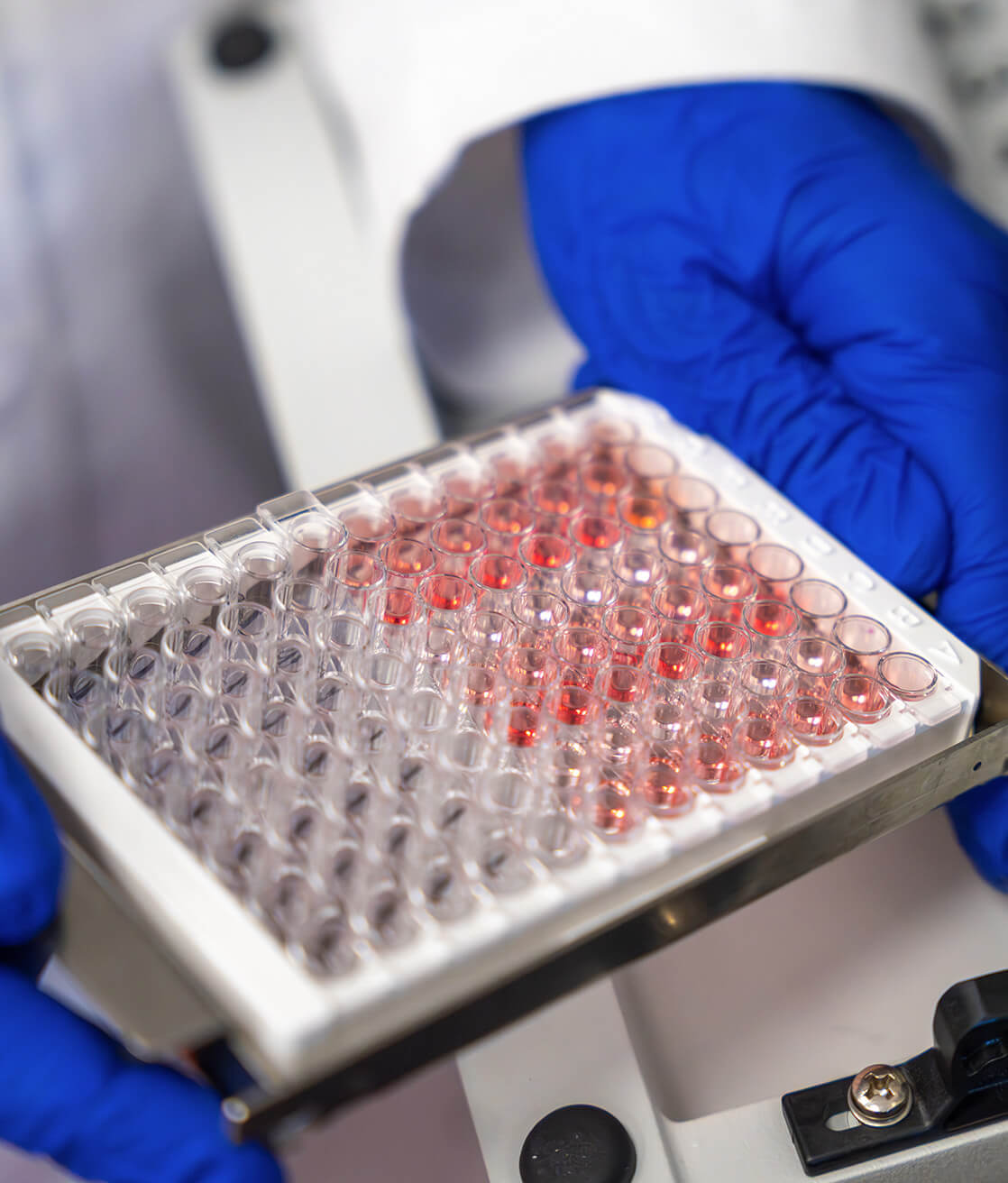
laboratory analysis
Find other tests
Total tau
This test provides the quantitative determination of total tau protein to support the diagnosis of Alzheimer’s disease.
Phosphorylated Tau (pTau181)
This test provides the quantitative determination of tau protein phosphorylated at threonine 181 (pTau181), to support the diagnosis of Alzheimer’s disease.
Anti–NMDAR Antibodies
Test for the determination of human autoantibodies against NMDAR to support the diagnosis of paraneoplastic neurological syndromes with an intermediate-risk phenotype.
Discover what’s new
Subscribe to the newsletter
Subscribe to our newsletter to be always updated.