
sCD163
Test details
Urinary soluble CD163 (u-sCD163) is the soluble form of the CD163 protein, a transmembrane glycoprotein expressed exclusively on monocytes and macrophages. Under pro-inflammatory stimuli, CD163 is enzymatically cleaved from the cell surface and released in its soluble form (sCD163) into the extracellular compartment.
In the context of active glomerular inflammation – such as in autoimmune nephritides – macrophages infiltrating the glomerulus release sCD163 directly into the urinary space, leading to a significant increase in u-sCD163 levels. By contrast, its urinary concentration in healthy individuals is very low or undetectable.
sCD163 is emerging as a promising non-invasive biomarker for the diagnosis, monitoring and stratification of glomerular inflammatory activity, particularly in two clinical settings:
- ANCA-associated vasculitides (AAV): in patients with active renal involvement, urinary sCD163 levels are significantly higher than in patients in remission, disease controls without renal involvement and healthy subjects. The marker appears to be specific for active glomerular injury, as it does not increase in the absence of renal involvement, even in systemic vasculitis.
- Lupus nephritis (LN): elevated sCD163 levels have been observed in patients with active proliferative forms (ISN/RPS classes III and IV), suggesting a direct correlation with histologic disease activity.
Therefore, sCD163 may represent a useful diagnostic and prognostic tool to identify active phases of glomerular inflammation, monitor response to immunosuppressive therapy and guide clinical management, potentially reducing the need for repeat kidney biopsies.
Sample type
Urine
Method
ELISA
Preparation
Fasting for at least 8-12 hours before sampling
Storage conditions
Refer to the Health Service Charter to check storage conditions
Shipping
Prior agreement with the laboratory.
References
O'Reilly VP, Wong L, Kennedy C, Elliot LA, O'Meachair S, Coughlan AM, O'Brien EC, Ryan MM, Sandoval D, Connolly E, Dekkema GJ, Lau J, Abdulahad WH, Sanders JS, Heeringa P, Buckley C, O'Brien C, Finn S, Cohen CD, Lindemeyer MT, Hickey FB, O'Hara PV, Feighery C, Moran SM, Mellotte G, Clarkson MR, Dorman AJ, Murray PT, Little MA. Urinary Soluble CD163 in Active Renal Vasculitis. J Am Soc Nephrol. 2016 Sep;27(9):2906-16. doi: 10.1681/ASN.2015050511. Epub 2016 Mar 3. Erratum in: J Am Soc Nephrol. 2018 Aug;29(8):2255. doi: 10.1681/ASN.2018060582. PMID: 26940094; PMCID: PMC5004645.
Endo N, Tsuboi N, Furuhashi K, Shi Y, Du Q, Abe T, Hori M, Imaizumi T, Kim H, Katsuno T, Ozaki T, Kosugi T, Matsuo S, Maruyama S. Urinary soluble CD163 level reflects glomerular inflammation in human lupus nephritis. Nephrol Dial Transplant. 2016 Dec;31(12):2023-2033. doi: 10.1093/ndt/gfw214. Epub 2016 May 30. PMID: 27242373.
Sarah Moran, Tze Goh, Niall Conlon, Jean Dunne, Elizabeth Groarke, John Holian, Kirsty McLoughlin, Eamonn Molloy, Susan Murray, Jason Wyse, Mark Little, 036. USCD163 IS AN EARLY PREDICTOR OF TREATMENT RESPONSE IN CRESCENTIC GLOMERULONEPHRITIS, Rheumatology, Volume 58, Issue Supplement_2, March 2019, kez057.035, https://doi.org/10.1093/rheumatology/kez057.035
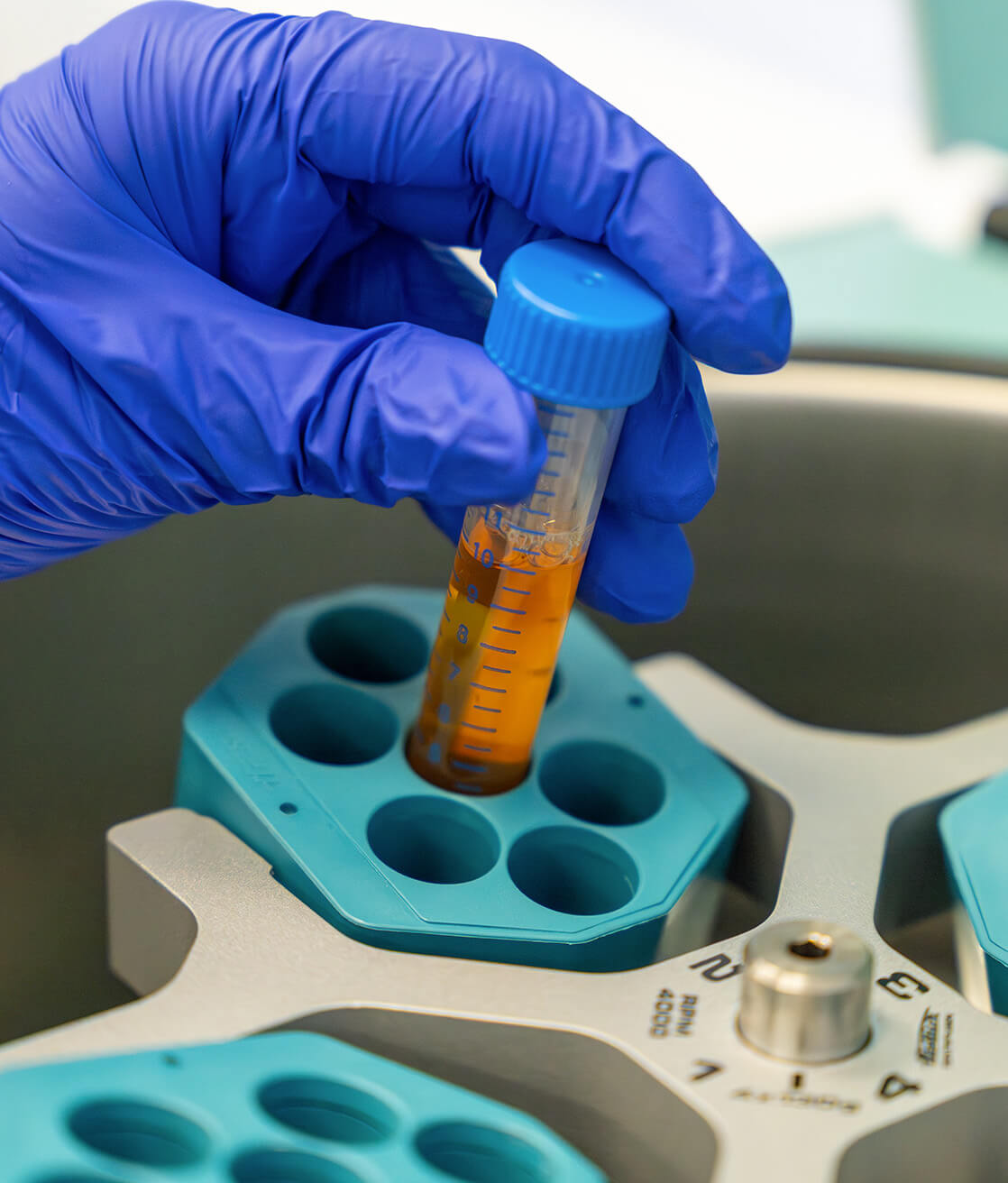
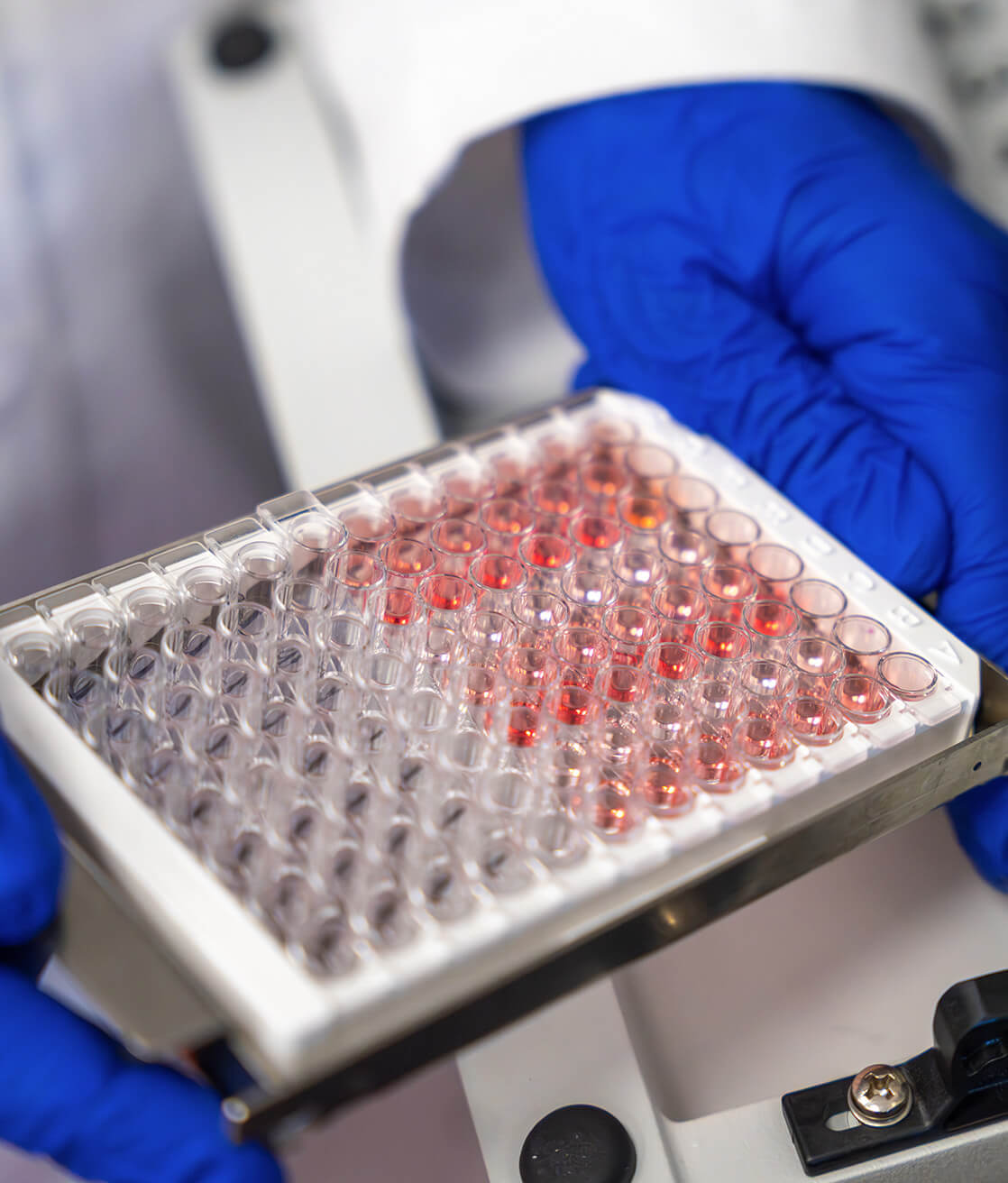
laboratory analysis
Find other tests
Total tau
This test provides the quantitative determination of total tau protein to support the diagnosis of Alzheimer’s disease.
Phosphorylated Tau (pTau181)
This test provides the quantitative determination of tau protein phosphorylated at threonine 181 (pTau181), to support the diagnosis of Alzheimer’s disease.
Anti–NMDAR Antibodies
Test for the determination of human autoantibodies against NMDAR to support the diagnosis of paraneoplastic neurological syndromes with an intermediate-risk phenotype.
Discover what’s new
Subscribe to the newsletter
Subscribe to our newsletter to be always updated.