
ANA Screening Test (Ag mix: dsDNA, CENP-B, SS-A/Ro (60 kDa and 52 kDa), SS-B/La, Sm, U1-snRNP (70 kDa, A and C), Scl-70, Jo-1)
Test details
The ANA Screening test is a solid-phase chemiluminescent immunoassay (ChLIA) designed for the initial antibody profile screening in ANA-positive patients, providing a first level of characterisation before more specific testing. It serves as a confirmation test following indirect immunofluorescence on HEp-2 cells (IIF), improving diagnostic selectivity and reducing false positives.
Each magnetic particle is coated with a mix of key antigens associated with SARD. The antigen mix is designed to cover the main autoantibody specificities linked to SLE, systemic sclerosis, Sjögren’s syndrome, myositis and overlap syndromes. In particular:
- U1-snRNP (70 kDa, A and C) and Sm for SLE and MCTD
• SS-A/Ro (60 kDa and 52 kDa) and SS-B/La for Sjögren’s syndrome, SLE, and myositis
• Scl-70 for systemic sclerosis (diffuse and overlap forms)
• Jo-1 for anti-synthetase syndrome
• CENP-B for limited SSc
• dsDNA for SLE
Sample type
Serum, EDTA plasma
Method
ChLIA
Preparation
Fasting for at least 8-12 hours before sampling
Storage conditions
Refer to the Health Service Charter to check storage conditions
Shipping
+2/+8°C
References
Conrad, K., Schößler, W., Hiepe, F., & Fritzler, M. J. (2007). Autoantibodies in Systemic Autoimmune Diseases: A Diagnostic Reference (Vol. 2,3rd ed.).
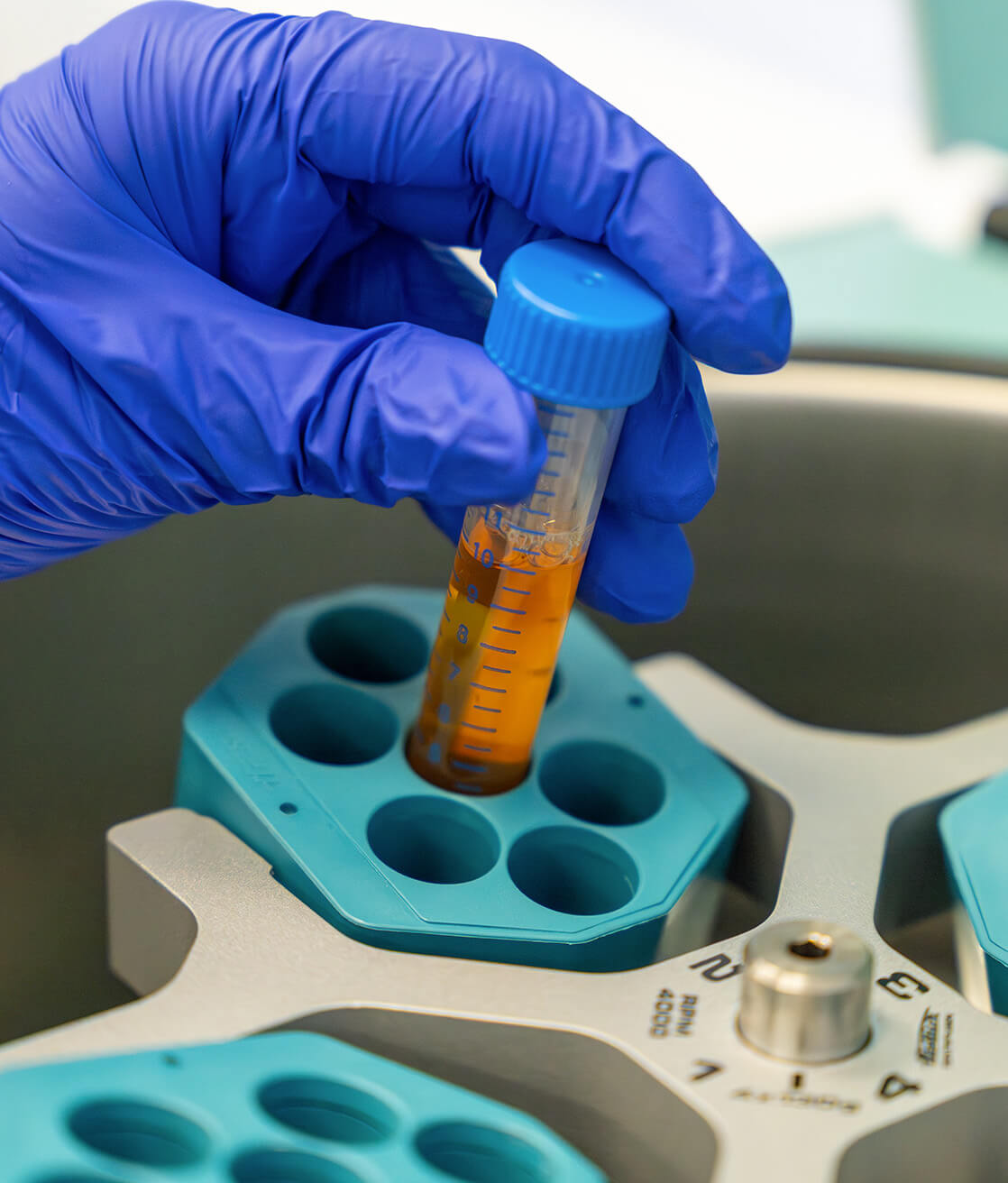
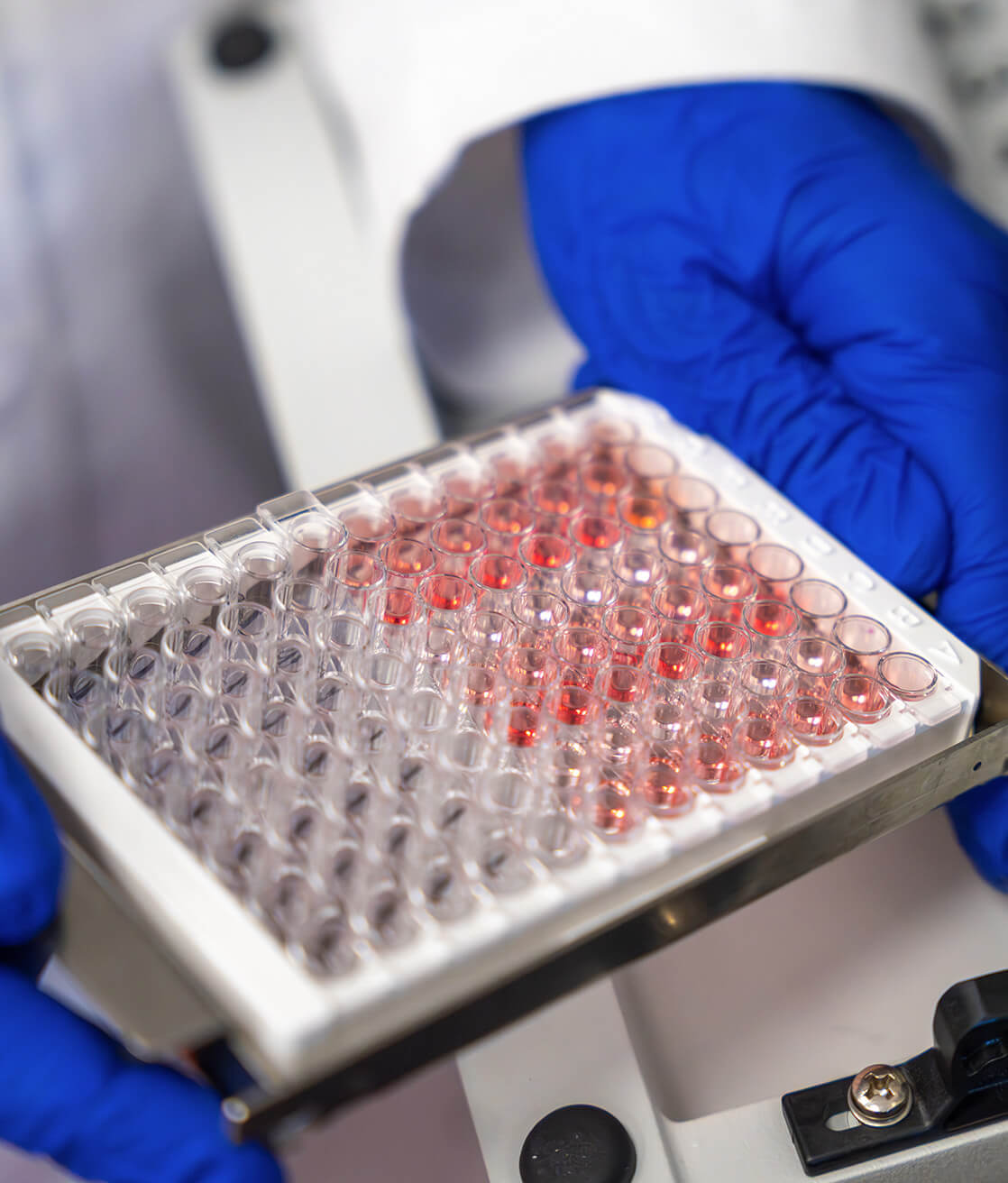
laboratory analysis
Find other tests
Total tau
This test provides the quantitative determination of total tau protein to support the diagnosis of Alzheimer’s disease.
Phosphorylated Tau (pTau181)
This test provides the quantitative determination of tau protein phosphorylated at threonine 181 (pTau181), to support the diagnosis of Alzheimer’s disease.
Anti–NMDAR Antibodies
Test for the determination of human autoantibodies against NMDAR to support the diagnosis of paraneoplastic neurological syndromes with an intermediate-risk phenotype.
Discover what’s new
Subscribe to the newsletter
Subscribe to our newsletter to be always updated.