
f351 - rPen a 1 (Penaeus aztecus)
Test details
This test is useful when an allergy to crustaceans and molluscs is suspected and to identify the specific molecule that has previously caused a positive result in the associated allergen extract test.
rPen a 1 is a tropomyosin, muscle protein found in shrimp. It is considered a pan-allergen as it is also found in other invertebrates such as crustaceans (shrimp, lobsters, crabs, prawns), arachnids (house dust mites), insects (cockroaches) and molluscs (e.g., squid).
The prevalence of this molecule can exceed 80% in patients sensitised to shrimp and has a potential for determining sensitisation and cross-reactivity with tropomyosins from other species.
Due to its resistance to both heat and enzymatic digestion, individuals with a suspected allergy to Pen a 1 may experience gastrointestinal, skin and respiratory reactions, and even anaphylaxis, including after eating cooked shrimp.
Cross-reactivity may be detected especially with the Der p 10 molecule from house dust mites.
Sample type
Serum
Method
ChLIA
Preparation
Fasting for at least 8-12 hours before sampling
Storage conditions
Refer to the Health Service Charter to check storage conditions
Shipping
+2/+8°C
References
Hamilton RG. Allergic sensitization is a key risk factor for but not synonymous with allergic disease. J Allergy Clin Immunol. 2014 Aug;134(2):360-1. doi: 10.1016/j.jaci.2014.02.022. Epub 2014 Mar 31. PMID: 24698318.
Matricardi PM, Kleine-Tebbe J, Hoffmann HJ, Valenta R, Hilger C, et al. EAACI Molecular Allergology User's Guide. Pediatr Allergy Immunol. 2016 May;27 Suppl 23:1-250. doi: 10.1111/pai.12563. PMID: 27288833.
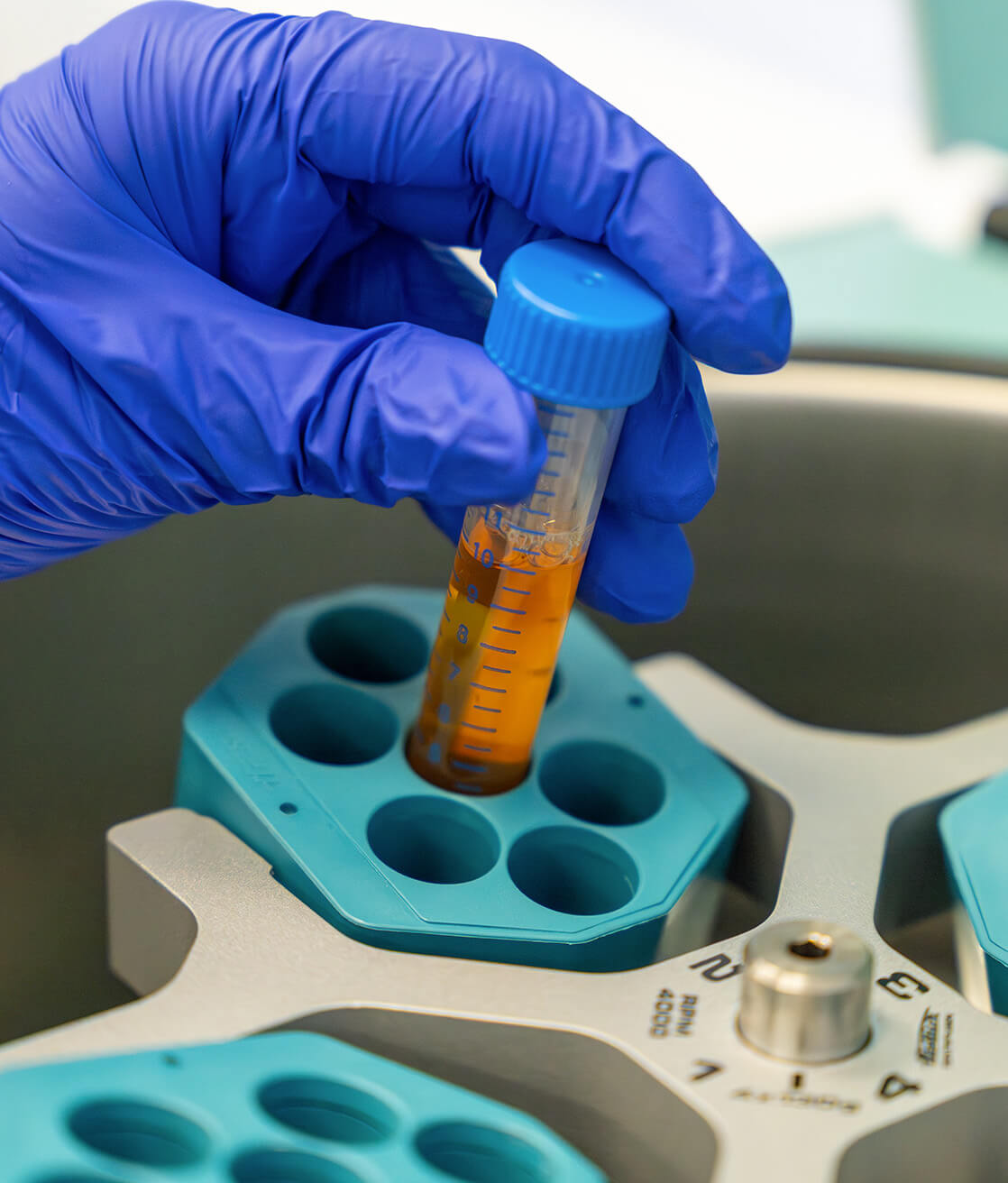
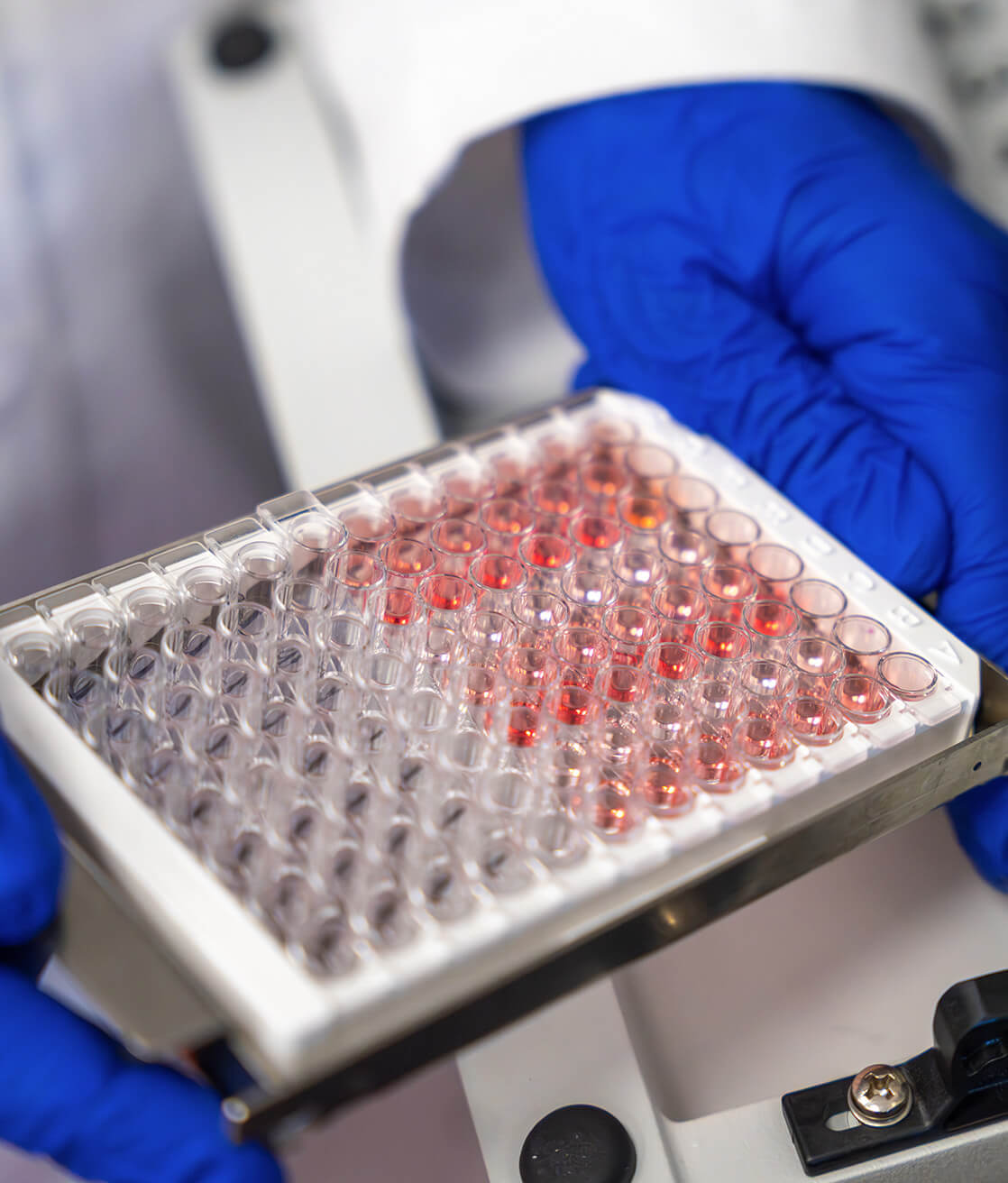
laboratory analysis
Find other tests
Total tau
This test provides the quantitative determination of total tau protein to support the diagnosis of Alzheimer’s disease.
Phosphorylated Tau (pTau181)
This test provides the quantitative determination of tau protein phosphorylated at threonine 181 (pTau181), to support the diagnosis of Alzheimer’s disease.
Anti–NMDAR Antibodies
Test for the determination of human autoantibodies against NMDAR to support the diagnosis of paraneoplastic neurological syndromes with an intermediate-risk phenotype.
Discover what’s new
Subscribe to the newsletter
Subscribe to our newsletter to be always updated.