
Anti-Cardiac and Skeletal Muscle Antibodies
Test details
Myasthenia gravis is an autoimmune disease mediated by pathogenic autoantibodies targeting specific antigens of the postsynaptic membrane (AChR and MuSK), or muscle antigens (titin, ryanodine receptor).
The diagnostic significance of autoantibodies directed against striated muscle is relevant when antibody titers are high, while low titers may indicate reduced disease activity.
Autoantibodies against striated muscle can also be present in patients with other myopathies and in those with Chagas disease.
Sample type
Serum, EDTA plasma, heparin plasma, citrate plasma
Method
IFA tissue
Preparation
Fasting for at least 8-12 hours before sampling
Storage conditions
Refer to the Health Service Charter to check storage conditions
Shipping
+2/+8°C
References
Suzuki S, Utsugisawa K, Nagane Y, Suzuki N. Three types of striational antibodies in myasthenia gravis. Autoimmune Dis. 2011;2011:740583. doi: 10.4061/2011/740583. Epub 2011 Jul 17. PMID: 21785709; PMCID: PMC3139883.
Meriggioli MN, Sanders DB. Muscle autoantibodies in myasthenia gravis: beyond diagnosis? Expert Rev Clin Immunol. 2012 Jul;8(5):427-38. doi: 10.1586/eci.12.34. PMID: 22882218; PMCID: PMC3505488.
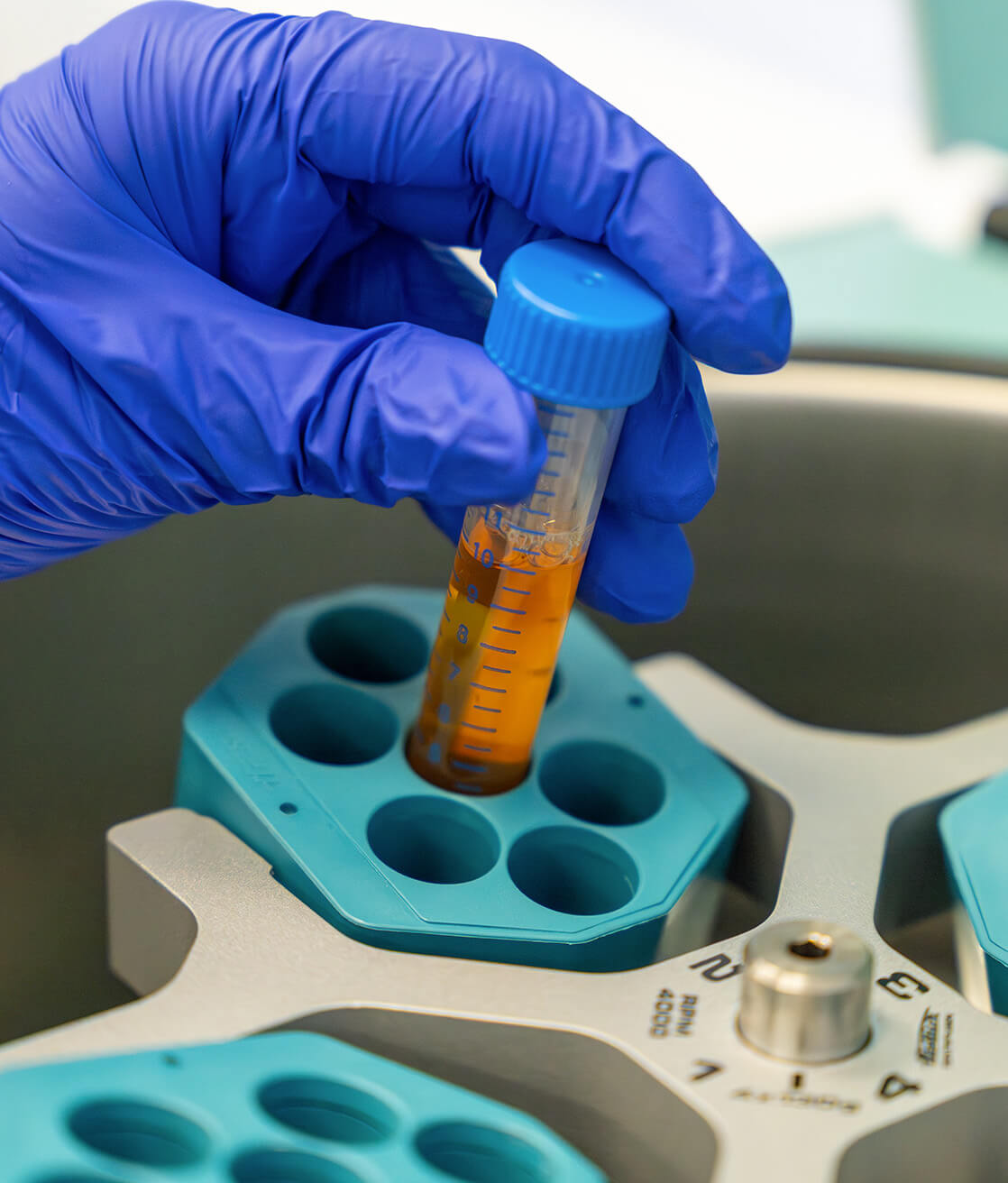
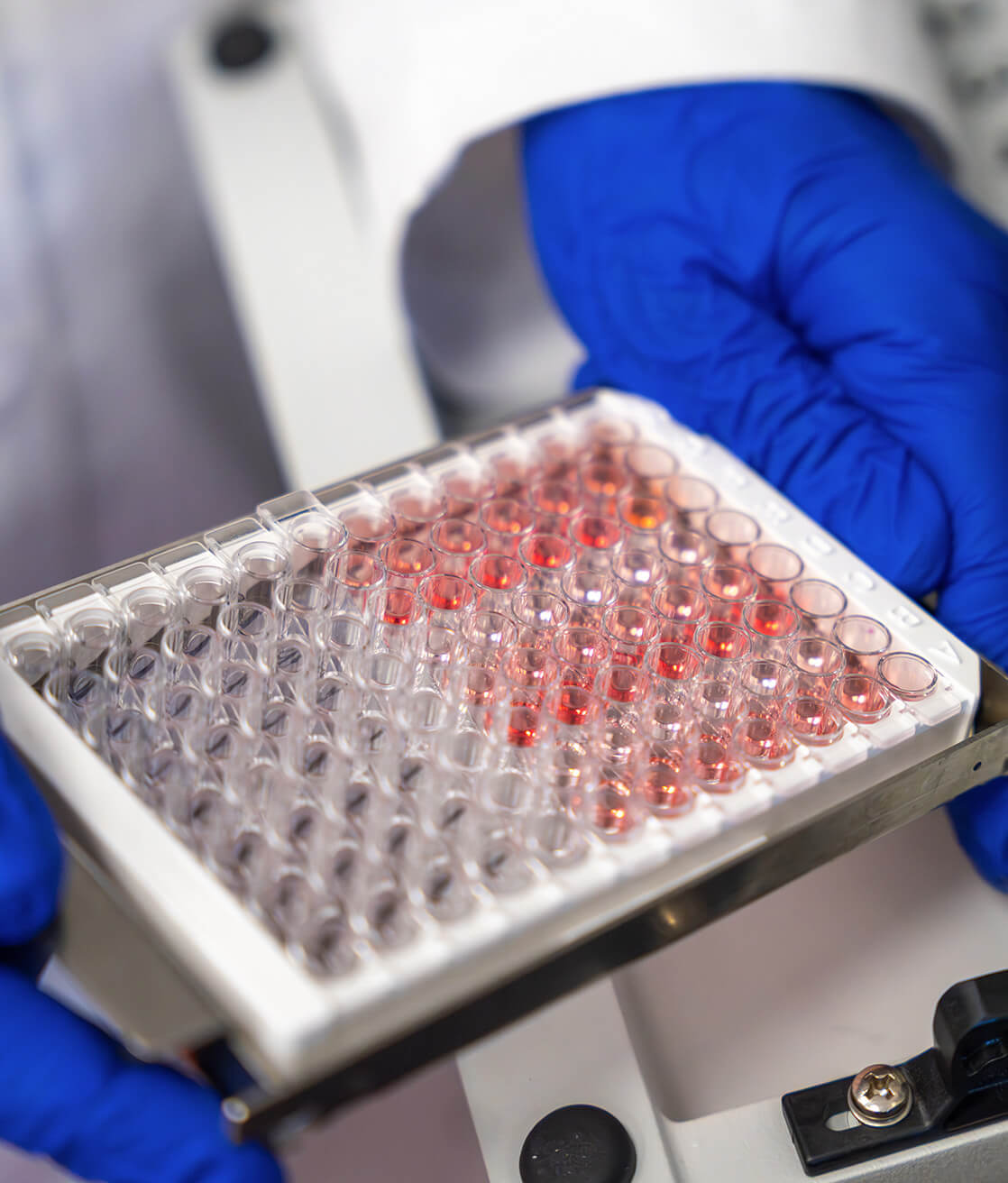
laboratory analysis
Find other tests
Total tau
This test provides the quantitative determination of total tau protein to support the diagnosis of Alzheimer’s disease.
Phosphorylated Tau (pTau181)
This test provides the quantitative determination of tau protein phosphorylated at threonine 181 (pTau181), to support the diagnosis of Alzheimer’s disease.
Anti–NMDAR Antibodies
Test for the determination of human autoantibodies against NMDAR to support the diagnosis of paraneoplastic neurological syndromes with an intermediate-risk phenotype.
Discover what’s new
Subscribe to the newsletter
Subscribe to our newsletter to be always updated.