
Anti-chromodomain helicase DNA-binding protein 4 (Mi-2 beta) antibodies
Test details
Myositis is a striated muscle inflammatory disease that may be hereditary or triggered by infection, exposure to specific toxins, or immune system dysregulation. Autoimmune myositis (idiopathic inflammatory myopathies) are systemic autoimmune diseases characterised by inflammation of the skeletal muscle, pronounced pain in the proximal and symmetric musculature and muscle weakness.
These disorders include adult polymyositis (approx. 30%), adult dermatomyositis (approx. 30%), paraneoplastic polymyositis, juvenile myositis/dermatomyositis with associated vasculitis (approx.7%) and myositis associated with autoimmune diseases such as rheumatoid arthritis, systemic lupus erythematosus or mixed connective tissue disease (MCTD). Rarer forms include granulomatous myositis, eosinophilic myositis, focal myositis and inclusion body myositis (approx. 20%).
The detection of myositis-associated autoantibodies is crucial for the diagnosis of dermatomyositis and to evaluate disease progression and disease therapy.
Autoantibodies against isoforms Mi-2α (CHD3) and Mi-2β (CHD4) of Mi-2 are highly specific for myositis, particularly for dermatomyositis (DM). These antibodies are present in approximately 15–30% of DM patients and in 8–12% of those with idiopathic myositis. Some anti-Mi-2–positive patients present with polymyositis and, in rare cases, inclusion body myositis. Anti-Mi-2 antibodies are often detectable in the early stages of the disease: in these cases, the clinical course of DM (including juvenile forms) is generally favourable. However, anti-Mi-2 positive DM (most frequently anti-Mi-2β) may also be associated with malignancy, such as colon or breast carcinoma.
The serodiagnostic significance of autoantibodies against Mi-2α (one of the two isoforms of Mi-2) is similar to that of anti-Mi-2 antibodies, with a prevalence of about 20% in dermatomyositis.
Anti-Mi-2β antibodies (the predominant isoform) are more frequently detected in DM associated with malignancies (e.g., colon or breast cancer).
Sample type
Serum, EDTA plasma, heparin plasma, citrate plasma
Method
Immunoblot
Preparation
Fasting for at least 8-12 hours before sampling
Storage conditions
Refer to the Health Service Charter to check storage conditions
Shipping
+2/+8°C
References
Stuhlmüller B, Schneider U, González-González JB, Feist E. Disease Specific Autoantibodies in Idiopathic Inflammatory Myopathies. Front Neurol. 2019; 10: 438
Damoiseaux J, Vulsteke JB, Tseng CW, Platteel ACM, Piette Y, Shovman O et al. Autoantibodies in idiopathic inflammatory myopathies: Clinical associations and laboratory evaluation by mono-and multispecific immunoassays. Autoimmun Rev. 2019; 18(3): 293-305
Hengstman GJ, Vree Egberts WT, Seelig HP, Lundberg IE, Moutsopoulos HM, Doria A, Mosca M, Vencovsky J, van Venrooij WJ, van Engelen BG. Clinical characteristics of patients with myositis and autoantibodies to different fragments of the Mi-2 beta antigen. Ann Rheum Dis 65 (2006) 242-245.
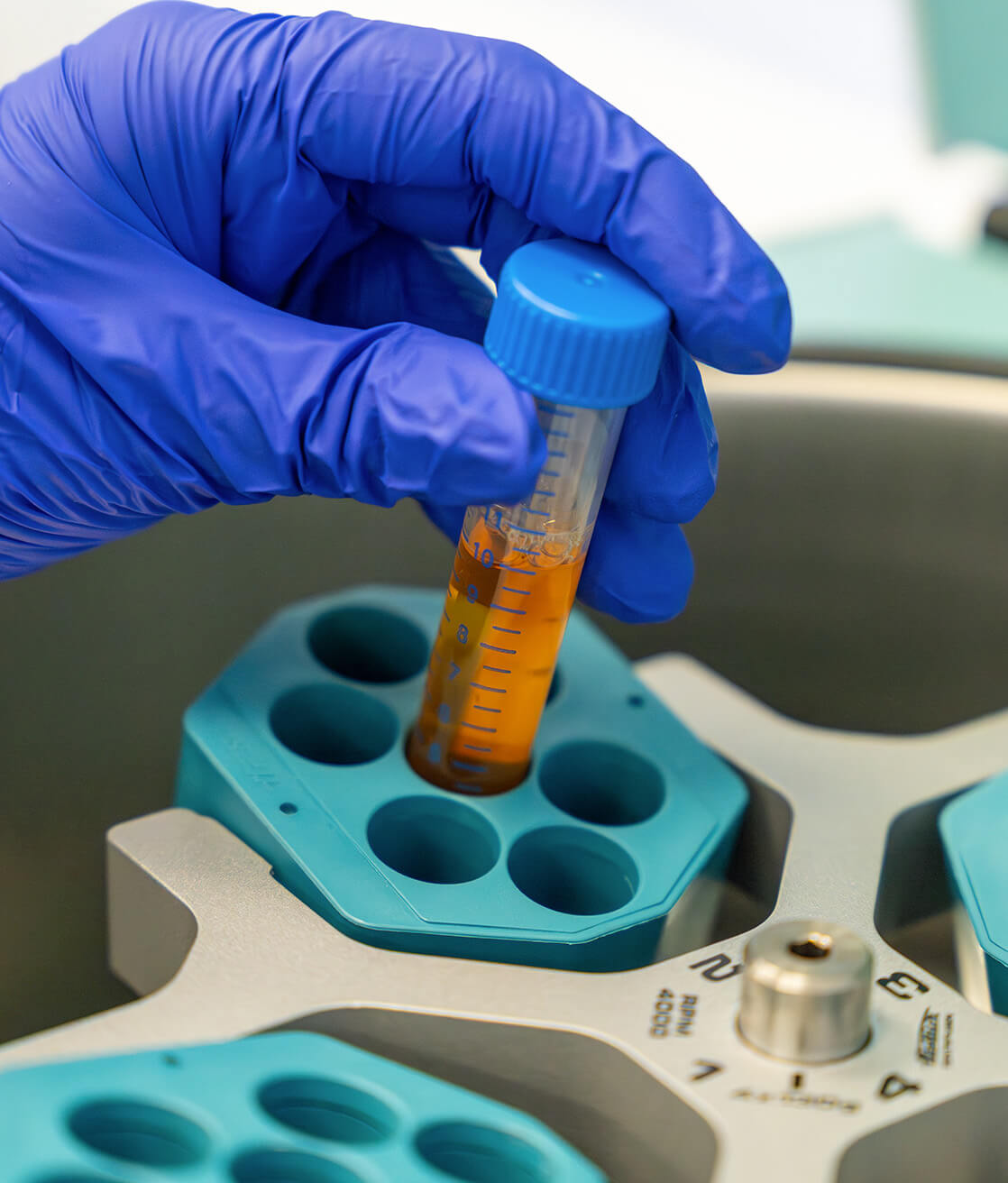
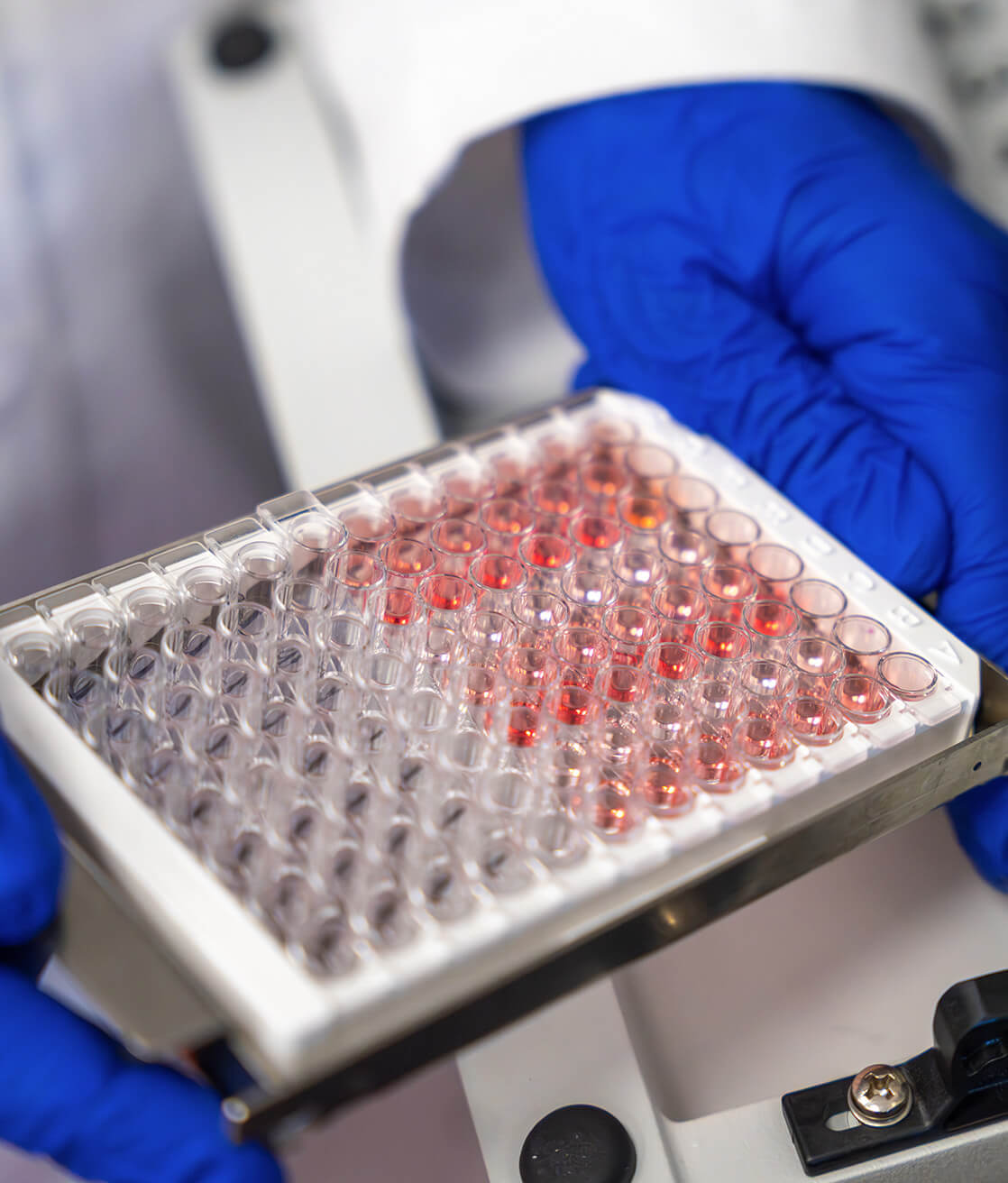
laboratory analysis
Find other tests
Total tau
This test provides the quantitative determination of total tau protein to support the diagnosis of Alzheimer’s disease.
Phosphorylated Tau (pTau181)
This test provides the quantitative determination of tau protein phosphorylated at threonine 181 (pTau181), to support the diagnosis of Alzheimer’s disease.
Anti–NMDAR Antibodies
Test for the determination of human autoantibodies against NMDAR to support the diagnosis of paraneoplastic neurological syndromes with an intermediate-risk phenotype.
Discover what’s new
Subscribe to the newsletter
Subscribe to our newsletter to be always updated.