
Anti–Desmoglein 1 Antibodies
Test details
Autoimmune blistering diseases are organ-specific autoimmune conditions characterised by autoantibodies against structural skin proteins. They are divided into four main groups depending on target antigens and clinical presentation: pemphigoid diseases, pemphigus diseases—including epidermolysis bullosa acquisita (EBA)—paraneoplastic pemphigus, and dermatitis herpetiformis (DH).
Diagnosis and differentiation of autoimmune blistering diseases rely on clinical assessment combined with the detection of autoantibodies against specific target antigens.
Pemphigus diseases can be classified clinically and immunopathologically into four different forms:
- Pemphigus foliaceus
- Pemphigus vulgaris:
- IgA pemphigus
- Paraneoplastic pemphigus
Pemphigus vulgaris always affects the mucous membranes. Most patients initially present with lesions of the oral mucosa; these quickly rupture, causing slight bleeding and painful erosions. Over the course of disease, some patients develop flaccid blisters on the skin, particularly in areas exposed to pressure and friction.
In patients with pemphigus foliaceus, the disease is instead characterised by the formation of scaly crusts, especially in seborrhoeic areas, while the mucosa is never involved.
The clinical picture is generally defined by the presence of an autoantibody response. In patients with pemphigus vulgaris where the damage is confined to the oral mucosa only present IgG antibodies against Desmoglein 3, while patients with lesions involving both skin and mucosa produce antibodies against Desmoglein 1 and 3.
Pemphigus foliaceus is associated with Desmoglein 1.
Desmoglein 1 and 3 are cadherins – calcium-dependent transmembrane glycoproteins – classified as epidermal desmosomal components. These proteins are important mediators of cell–cell contact in the epidermis and on mucosal surfaces through homophilic and heterophilic extracellular bonds.
Clinical diagnosis is based on typical dermatological findings, histopathology, biopsy and serology. In pemphigus, the detection of circulating autoantibodies has proved highly effective and, in most cases, sufficient for diagnostic purposes. Serum levels of Desmoglein 1 and 3 antibodies are indicators of disease severity and activity, as well as of therapeutic response.
Sample type
Serum, EDTA plasma, heparin plasma, citrate plasma
Method
IFA cells, ELISA
Preparation
Fasting for at least 8-12 hours before sampling
Storage conditions
Refer to the Health Service Charter to check storage conditions
Shipping
+2/+8°C
References
Barnadas MA, Rubiales MV, González MJ, Puig L, García P, Baselga E, Pujol R, Alomar A, Gelpí C. Enzyme-linked immunosorbent assay (ELISA) and indirect immunofluorescence testing in a bullous pemphigoid and pemphigoid gestationis. Int J Dermatol. 2008 Dec;47(12):1245-9. doi: 10.1111/j.1365-4632.2008.03824.x. PMID: 19126009.
Bertram F, Bröcker EB, Zillikens D, Schmidt E. Prospective analysis of the incidence of autoimmune bullous disorders in Lower Franconia, Germany. J Dtsch Dermatol Ges. 2009 May;7(5):434-40. English, German. doi: 10.1111/j.1610-0387.2008.06976.x. Epub 2009 Jan 19. PMID: 19170813.
Blöcker IM, Dähnrich C, Probst C, Komorowski L, Saschenbrecker S, Schlumberger W, Stöcker W, Zillikens D, Schmidt E. Epitope mapping of BP230 leading to a novel enzyme-linked immunosorbent assay for autoantibodies in bullous pemphigoid. Br J Dermatol. 2012 May;166(5):964-70. doi: 10.1111/j.1365-2133.2012.10820.x. Epub 2012 Apr 4. PMID: 22242606.
Cunha PR, Barraviera SR. Autoimmune bullous dermatoses. An Bras Dermatol. 2009 Mar-Apr;84(2):111-24. English, Portuguese. doi: 10.1590/s0365-05962009000200003. PMID: 19503978.
Damoiseaux J, van Rijsingen M, Warnemünde N, Dähnrich C, Fechner K, Tervaert JW. Autoantibody detection in bullous pemphigoid: clinical evaluation of the EUROPLUS™ Dermatology Mosaic. J Immunol Methods. 2012 Aug 31;382(1-2):76-80. doi: 10.1016/j.jim.2012.05.007. Epub 2012 May 9. PMID: 22580378.
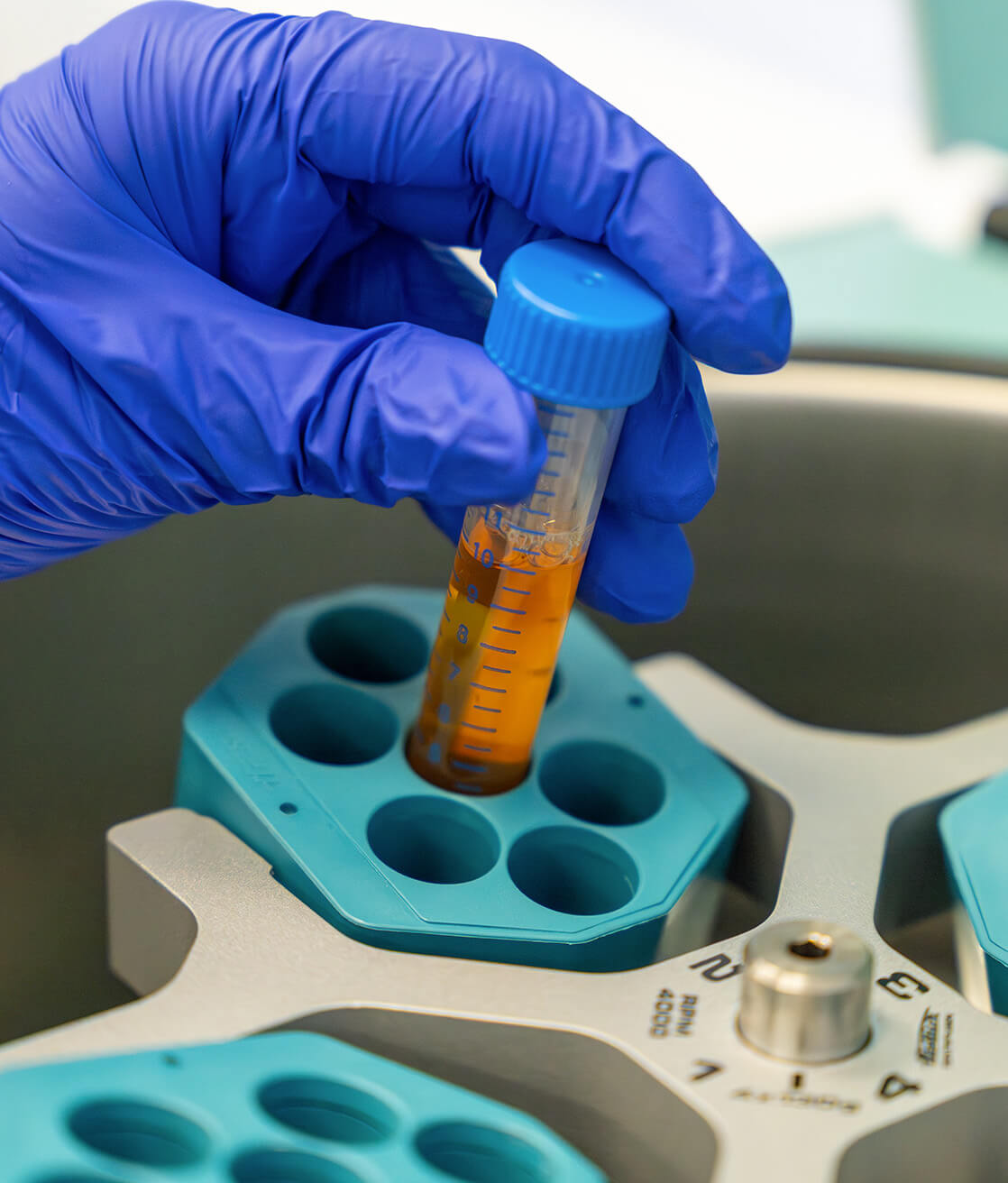
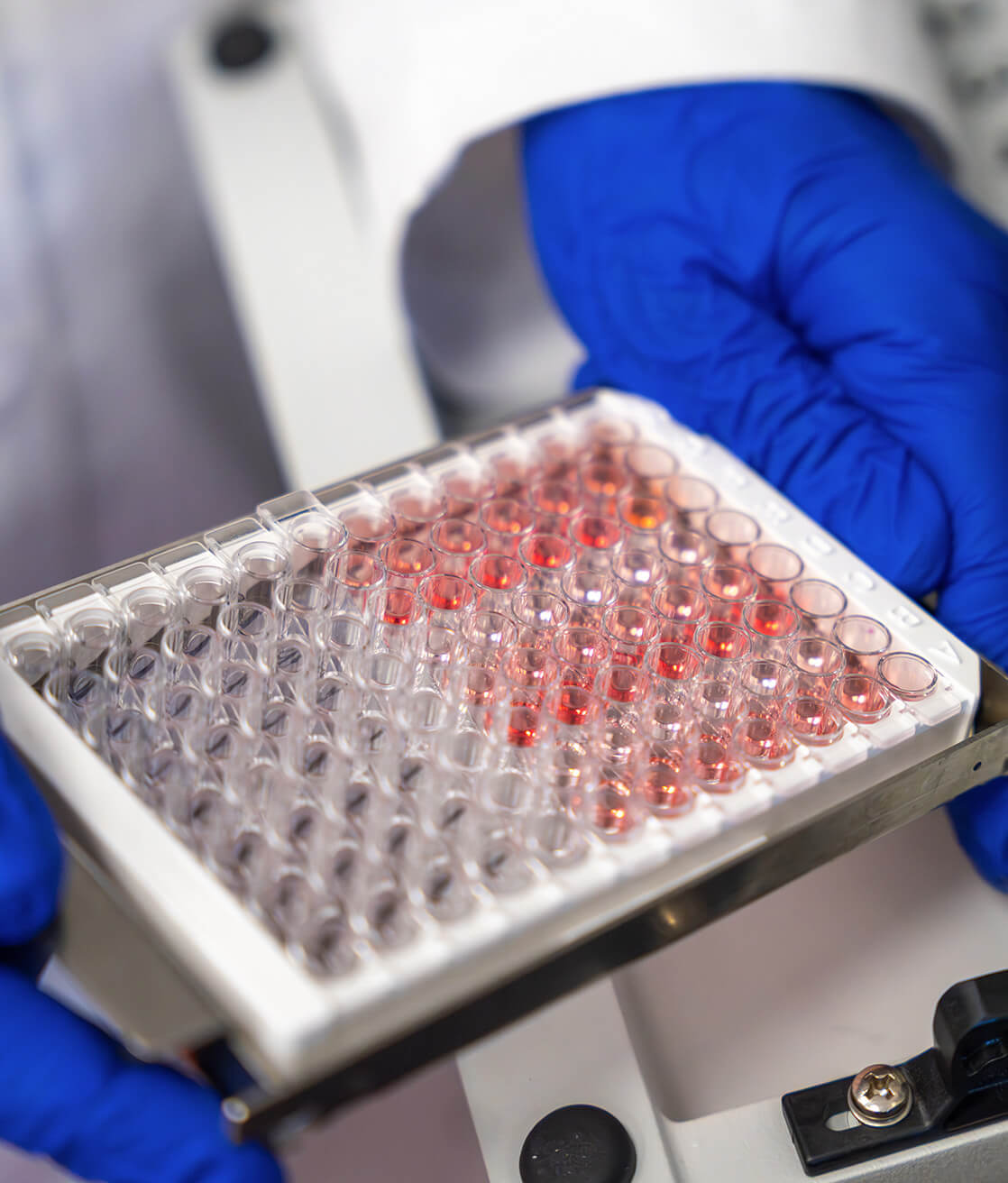
laboratory analysis
Find other tests
Total tau
This test provides the quantitative determination of total tau protein to support the diagnosis of Alzheimer’s disease.
Phosphorylated Tau (pTau181)
This test provides the quantitative determination of tau protein phosphorylated at threonine 181 (pTau181), to support the diagnosis of Alzheimer’s disease.
Anti–NMDAR Antibodies
Test for the determination of human autoantibodies against NMDAR to support the diagnosis of paraneoplastic neurological syndromes with an intermediate-risk phenotype.
Discover what’s new
Subscribe to the newsletter
Subscribe to our newsletter to be always updated.