
Anti–GABAA Receptor (GABAAR) Antibodies
Test details
This laboratory assay detects IgG autoantibodies against the gamma-aminobutyric acid type A receptor (GABAA receptor). GABAA is an ionotropic chloride channel: when the neurotransmitter GABA binds to the receptor, the channel opens, chloride ions enter the neuron, the membrane hyperpolarises and neuronal activity is inhibited. This mechanism maintains the balance between excitation and inhibition in the central nervous system. Anti-GABAA receptor antibodies interfere with normal channel function, reducing synaptic inhibition and promoting neuronal hyperexcitability.
Clinically, anti-GABAA receptor encephalitis features frequent (often refractory) seizures, cognitive impairment, behavioural changes, confusion, and—on brain MRI—multifocal cortical and subcortical lesions, especially in the temporal and frontal lobes. It may occur as paraneoplastic disease (most commonly with thymoma), in non-paraneoplastic settings, or after viral infections. Onset can be acute or subacute and affects both adults and children; generalised seizures and movement disorders are more common in children, whereas neoplastic association is more frequent in adults. Measuring anti-GABAA receptor antibodies helps confirm autoimmune encephalitis and is critical for prompt therapy decisions, as this condition often responds to immunosuppressive treatment.
Sample type
Serum, plasma, CSF
Method
IFA cells
Preparation
Fasting for at least 8-12 hours before sampling
Storage conditions
Refer to the Health Service Charter to check storage conditions
Shipping
+2/+8°C
References
Noviello CM, Kreye J, Teng J, Prüss H, Hibbs RE. Structural mechanisms of GABAA receptor autoimmune encephalitis. Cell. 2022 Jul 7;185(14):2469-2477.e13. doi: 10.1016/j.cell.2022.06.025. PMID: 35803245; PMCID: PMC9394431.
Ronchi NR, Silva GD. Comparison of the clinical syndromes of anti-GABAa versus anti-GABAb associated autoimmune encephalitis: A systematic review. J Neuroimmunol. 2022 Feb 15;363:577804. doi: 10.1016/j.jneuroim.2021.577804. Epub 2021 Dec 30. PMID: 34995918.
O'Connor K, Waters P, Komorowski L, Zekeridou A, Guo CY, Mgbachi VC, Probst C, Mindorf S, Teegen B, Gelfand JM, Geschwind MD, Lennon V, Pittock SJ, McKeon A. GABAA receptor autoimmunity: A multicenter experience. Neurol Neuroimmunol Neuroinflamm. 2019 Apr 4;6(3):e552. doi: 10.1212/NXI.0000000000000552. PMID: 31119187; PMCID: PMC6501640.
Spatola M, Petit-Pedrol M, Simabukuro MM, Armangue T, Castro FJ, Barcelo Artigues MI, Julià Benique MR, Benson L, Gorman M, Felipe A, Caparó Oblitas RL, Rosenfeld MR, Graus F, Dalmau J. Investigations in GABAA ì receptor antibody-associated encephalitis. Neurology. 2017 Mar 14;88(11):1012-1020. doi: 10.1212/WNL.0000000000003713. Epub 2017 Feb 15. PMID: 28202703; PMCID: PMC5384834.
Petit-Pedrol M, Armangue T, Peng X, Bataller L, Cellucci T, Davis R, McCracken L, Martinez-Hernandez E, Mason WP, Kruer MC, Ritacco DG, Grisold W, Meaney BF, Alcalá C, Sillevis-Smitt P, Titulaer MJ, Balice-Gordon R, Graus F, Dalmau J. Encephalitis with refractory seizures, status epilepticus, and antibodies to the GABAA receptor: a case series, characterisation of the antigen, and analysis of the effects of antibodies. Lancet Neurol. 2014 Mar;13(3):276-86. doi: 10.1016/S1474-4422(13)70299-0. Epub 2014 Jan 22. PMID: 24462240; PMCID: PMC4838043
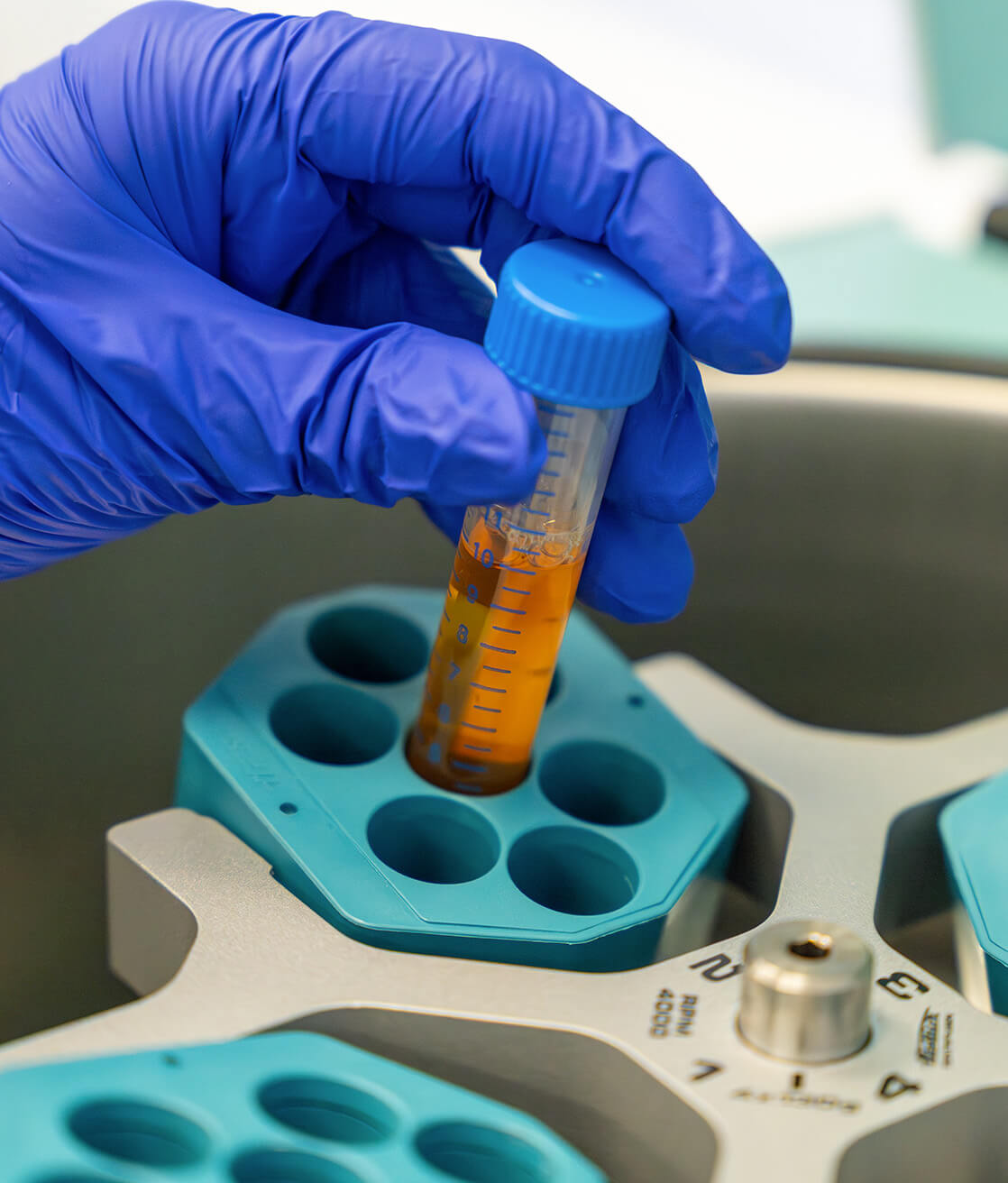
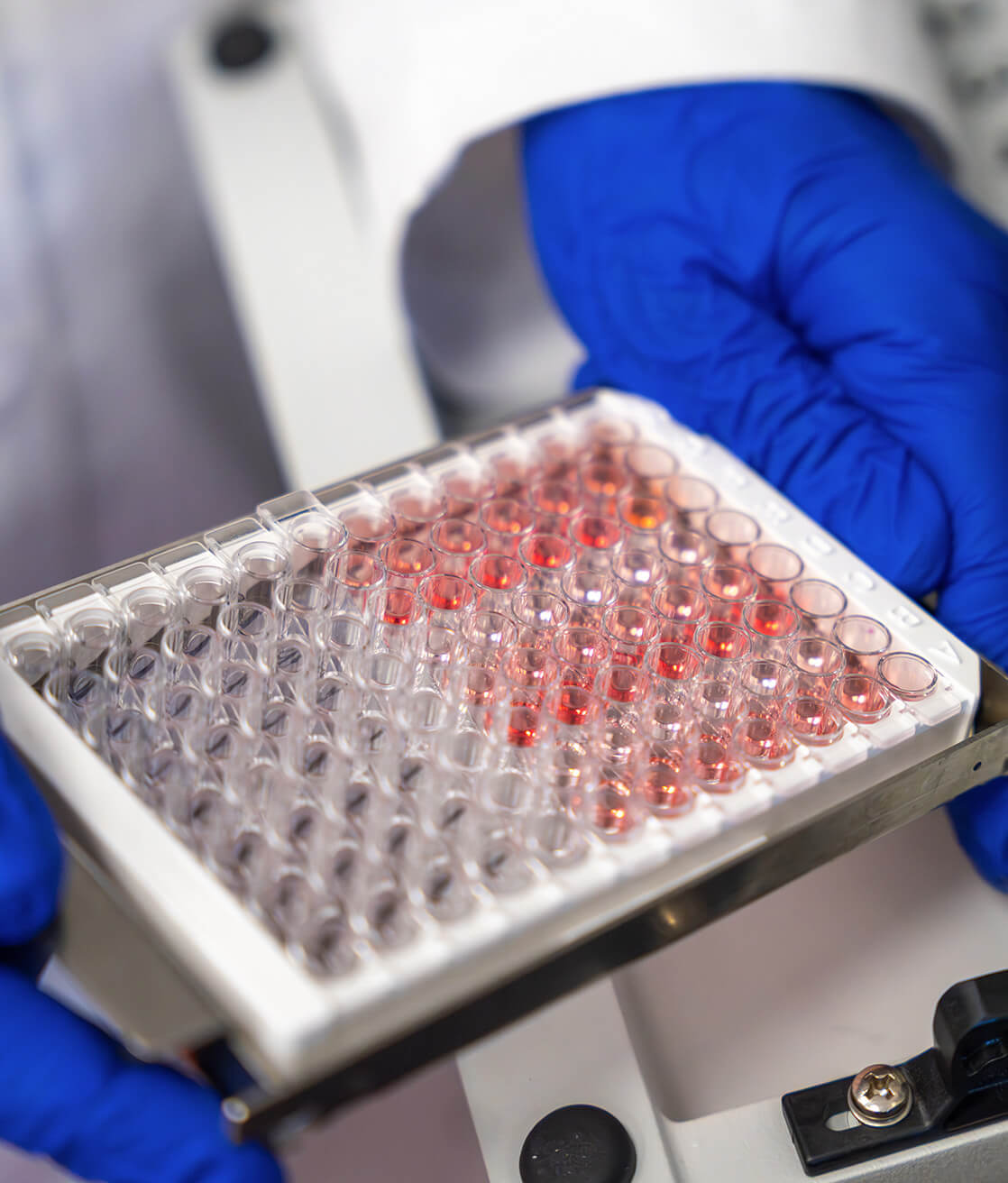
laboratory analysis
Find other tests
Total tau
This test provides the quantitative determination of total tau protein to support the diagnosis of Alzheimer’s disease.
Phosphorylated Tau (pTau181)
This test provides the quantitative determination of tau protein phosphorylated at threonine 181 (pTau181), to support the diagnosis of Alzheimer’s disease.
Anti–NMDAR Antibodies
Test for the determination of human autoantibodies against NMDAR to support the diagnosis of paraneoplastic neurological syndromes with an intermediate-risk phenotype.
Discover what’s new
Subscribe to the newsletter
Subscribe to our newsletter to be always updated.