
Anti-Jo-1 Antibodies
Test details
Autoimmune myopathies are a heterogeneous group of chronic inflammatory diseases of the skeletal muscle, characterised by proximal muscle weakness, increased muscle enzymes (e.g., CPK), electromyography (EMG) abnormalities, compatible muscle biopsy and the presence of myositis-specific (MSA) or myositis-associated (MAA) autoantibodies. Main forms include dermatomyositis (DM), polymyositis (PM), necrotising autoimmune myopathy (NAM) and inclusion body myositis (IBM).
Among MSAs, anti-Jo-1 antibodies—directed against histidyl-tRNA synthetase, a cytoplasmic enzyme involved in protein synthesis—play a key role. Anti-Jo-1 are strongly associated with anti-synthetase syndrome, a clinical subtype of IIM characterized by myositis, non-erosive arthritis, Raynaud’s phenomenon, “mechanic’s hands” and interstitial lung disease (ILD).
Given their high diagnostic specificity, anti-Jo-1 are the only myositis-specific autoantibodies included in the 2018 ACR/EULAR classification criteria. Their presence increases the classification score and supports the diagnostic probability of IIM, compared with other autoantibodies (e.g., anti-Mi-2, anti-SRP, anti-PL-7, anti-PL-12) that have not met the evidence threshold for inclusion.
Although they are specific markers for myositis, anti-Jo-1 antibodies are also relevant for SARDs, particularly in overlap syndromes. Serological characterisation helps identify distinct clinical phenotypes useful for risk stratification, therapeutic management and prognosis.
Sample type
Serum, EDTA plasma, heparin plasma*, citrate plasma*
*immunoblot test only
Method
Immunoblot, ChLIA
Preparation
Fasting for at least 8-12 hours before sampling
Storage conditions
Refer to the Health Service Charter to check storage conditions
Shipping
+2/+8°C
References
Fritzler MJ, Choi MY, Mahler M. The Antinuclear Antibody Test in the Diagnosis of Antisynthetase Syndrome and Other Autoimmune Myopathies. J Rheumatol. 2018 Mar;45(3):444-445. doi: 10.3899/jrheum.170258. PMID: 29496922.
Lundberg IE, Tjärnlund A, Bottai M, Werth VP, Pilkington C, Visser M, Alfredsson L, Amato AA, Barohn RJ, Liang MH, Singh JA, Aggarwal R, Arnardottir S, Chinoy H, Cooper RG, Dankó K, Dimachkie MM, Feldman BM, Torre IG, Gordon P, Hayashi T, Katz JD, Kohsaka H, Lachenbruch PA, Lang BA, Li Y, Oddis CV, Olesinska M, Reed AM, Rutkowska-Sak L, Sanner H, Selva-O'Callaghan A, Song YW, Vencovsky J, Ytterberg SR, Miller FW, Rider LG; International Myositis Classification Criteria Project consortium, The Euromyositis register and The Juvenile Dermatomyositis Cohort Biomarker Study and Repository (JDRG) (UK and Ireland). 2017 European League Against Rheumatism/American College of Rheumatology classification criteria for adult and juvenile idiopathic inflammatory myopathies and their major subgroups. Ann Rheum Dis. 2017 Dec;76(12):1955-1964. doi: 10.1136/annrheumdis-2017-211468. Epub 2017 Oct 27. Erratum in: Ann Rheum Dis. 2018 Sep;77(9):e64. doi: 10.1136/annrheumdis-2017-211468corr1. PMID: 29079590; PMCID: PMC5736307.
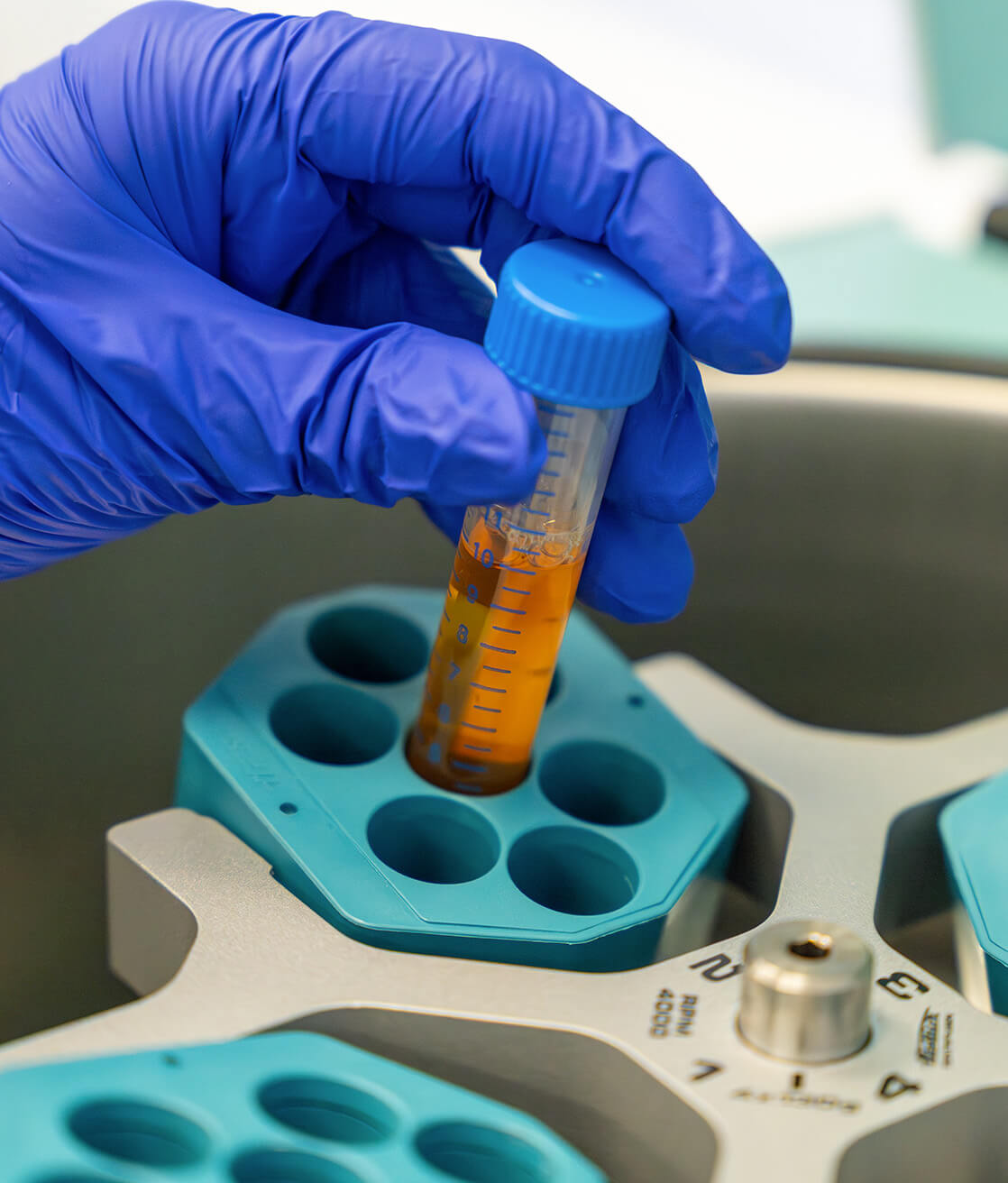
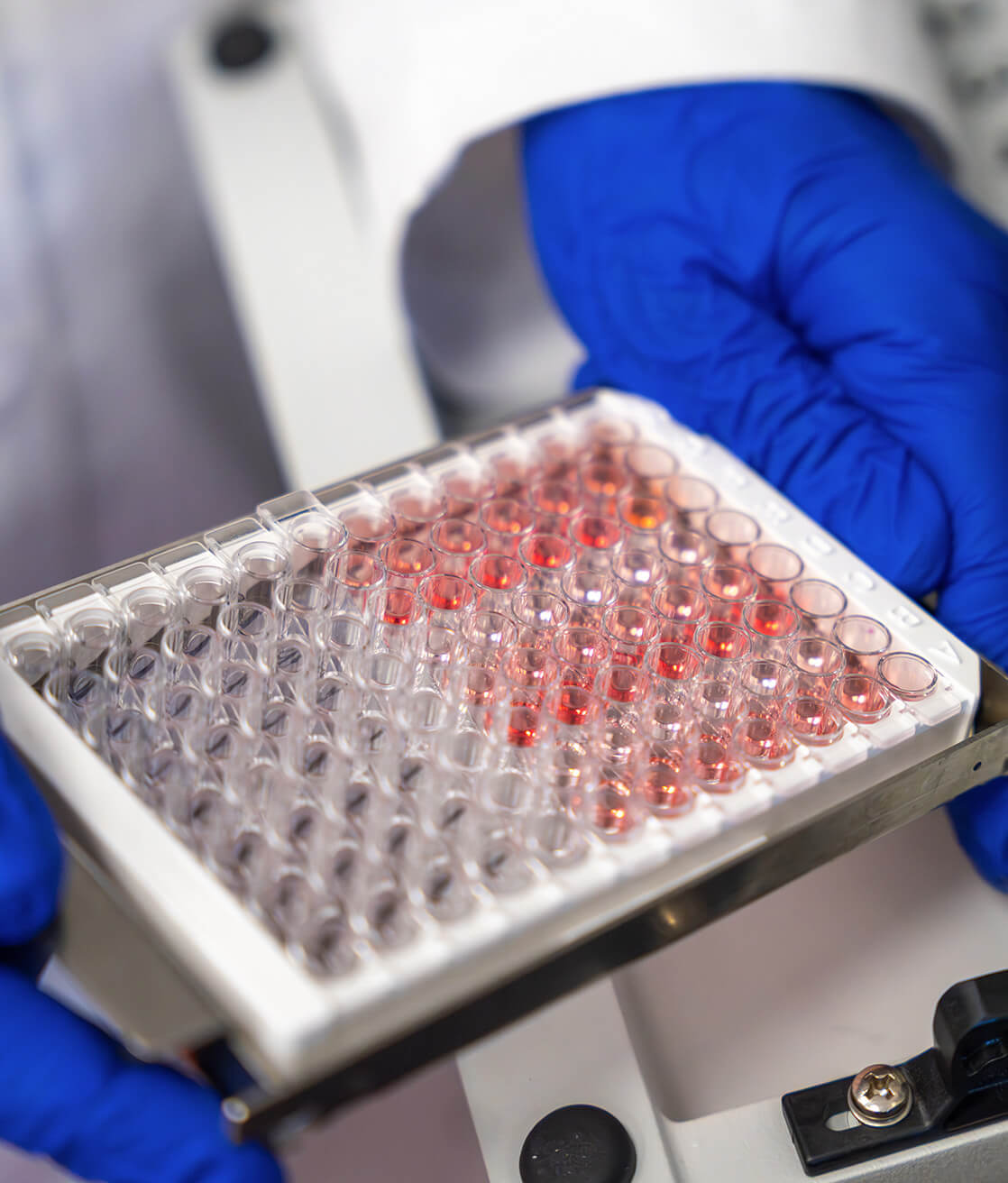
laboratory analysis
Find other tests
Total tau
This test provides the quantitative determination of total tau protein to support the diagnosis of Alzheimer’s disease.
Phosphorylated Tau (pTau181)
This test provides the quantitative determination of tau protein phosphorylated at threonine 181 (pTau181), to support the diagnosis of Alzheimer’s disease.
Anti–NMDAR Antibodies
Test for the determination of human autoantibodies against NMDAR to support the diagnosis of paraneoplastic neurological syndromes with an intermediate-risk phenotype.
Discover what’s new
Subscribe to the newsletter
Subscribe to our newsletter to be always updated.