
Anti–mGluR1 antibodies
Test details
This laboratory assay detects IgG antibodies against mGluR1, a receptor essential for synaptic and cerebellar function. Metabotropic glutamate receptors (mGluRs) are G-protein-coupled receptors activated by glutamate binding, the main excitatory neurotransmitter in the CNS. There are eight mGluR subtypes (mGluR1–8), classified into three groups by molecular, pharmacologic, and signalling properties. mGluR1 and mGluR5 belong to Group I, are predominantly postsynaptic, and are implicated in learning, memory, epilepsy and pain; antibodies to these receptors are linked to several autoimmune CNS disorders.
Detection of anti-mGluR1 antibodies aids diagnosis of autoimmune encephalitis, especially the form presenting with acute/subacute cerebellar syndrome, and in some cases limbic encephalitis. Common clinical features include ataxia, dysarthria, gait instability, vertigo, nystagmus and speech disturbances; behavioural changes, cognitive impairment, seizures, dysgeusia, and dysautonomia may also occur. An underlying tumour – usually haematologic – is present in ~30% of cases. Early diagnosis and immunosuppressive therapy can reduce neurological sequelae and improve prognosis. Isolated serum positivity without neurological symptoms is insufficient for diagnosis; detecting antibodies in both serum and CSF strengthens the diagnosis. The detection of anti-mGluR1 antibodies has a high diagnostic value when typical cerebellar neurological symptoms are also present. Final diagnosis requires correlation of the clinical picture with laboratory findings.
Sample type
Serum, plasma, CSF
Method
IFA cells
Preparation
Fasting for at least 8-12 hours before sampling
Storage conditions
Refer to the Health Service Charter to check storage conditions
Shipping
+2/+8°C
References
Deng M, Xiong J, Kong Z, Wang X, Li T. Case Report: Clinical features and management of anti-mGluR1 encephalitis: case illustration and review of the literature. Front Integr Neurosci. 2025 Jul 23;19:1580767. doi: 10.3389/fnint.2025.1580767. PMID: 40771880; PMCID: PMC12325280.
Chen X, Chen Y, Di L, Liu N, Liu T, Cai Y, Di W. Cerebellar encephalitis associated with anti-mGluR1 antibodies: a case report and comprehensive literature review. Front Neurol. 2024 Feb 12;15:1333658. doi: 10.3389/fneur.2024.1333658. PMID: 38410193; PMCID: PMC10894994.
Khojah O, Makkawi S, Alghamdi S. Anti-mGluR1 encephalitis: Case illustration and systematic review. Front Neurol. 2023 Apr 17;14:1142160. doi: 10.3389/fneur.2023.1142160. PMID: 37139064; PMCID: PMC10149714.
Spatola M, Petit Pedrol M, Maudes E, Simabukuro M, Muñiz-Castrillo S, Pinto AL, Wandinger KP, Spiegler J, Schramm P, Dutra LA, Iorio R, Kornblum C, Bien CG, Höftberger R, Leypoldt F, Titulaer MJ, Sillevis Smitt P, Honnorat J, Rosenfeld MR, Graus F, Dalmau J. Clinical features, prognostic factors, and antibody effects in anti-mGluR1 encephalitis. Neurology. 2020 Dec 1;95(22):e3012-e3025. doi: 10.1212/WNL.0000000000010854. Epub 2020 Sep 14. PMID: 32928978; PMCID: PMC7734921.
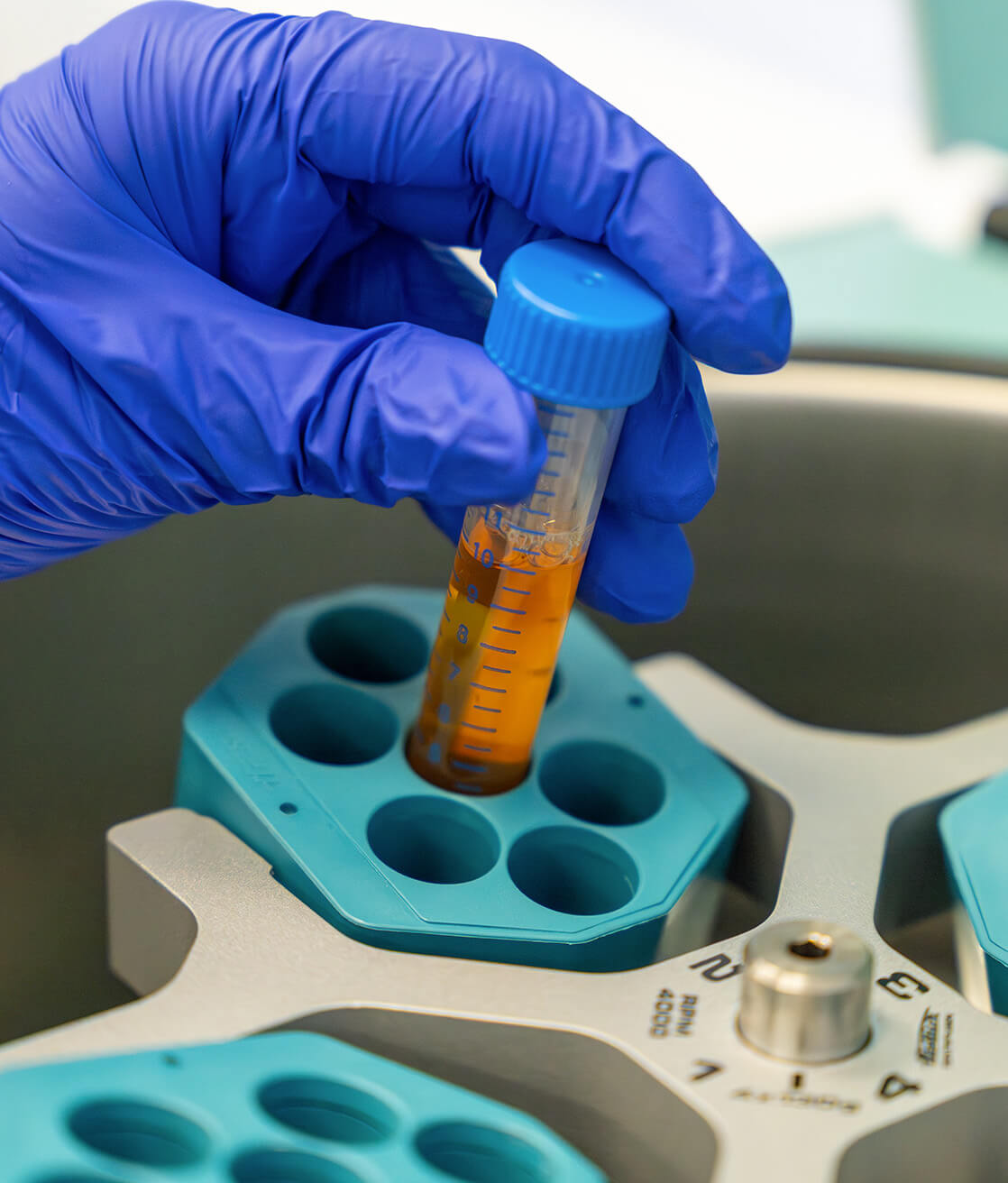
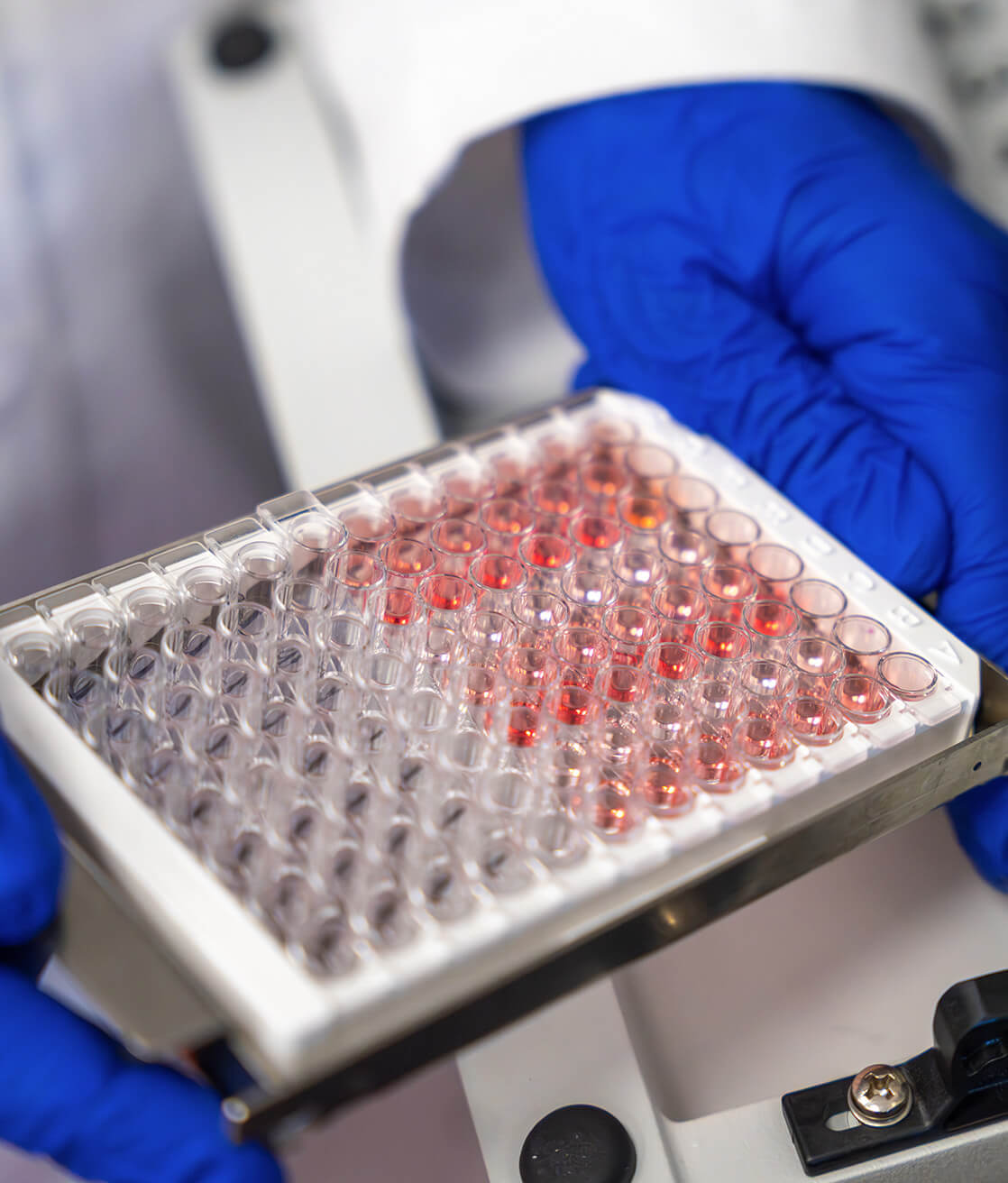
laboratory analysis
Find other tests
Total tau
This test provides the quantitative determination of total tau protein to support the diagnosis of Alzheimer’s disease.
Phosphorylated Tau (pTau181)
This test provides the quantitative determination of tau protein phosphorylated at threonine 181 (pTau181), to support the diagnosis of Alzheimer’s disease.
Anti–NMDAR Antibodies
Test for the determination of human autoantibodies against NMDAR to support the diagnosis of paraneoplastic neurological syndromes with an intermediate-risk phenotype.
Discover what’s new
Subscribe to the newsletter
Subscribe to our newsletter to be always updated.