
Anti-NOR90 Antibodies
Test details
SARDs are a heterogeneous group of disorders characterized by dysregulation of the immune system, that starts to turn against the body’s own tissues. Major SARDs include systemic lupus erythematosus, rheumatoid arthritis, systemic sclerosis and Sjögren’s syndrome. These diseases can affect multiple organs and share common symptoms such as fatigue, fever, joint pain and skin rash. Diagnosis relies on a combination of clinical assessment and specific autoantibody tests. Early diagnosis is crucial to initiate appropriate therapy and slow down disease progression.
The target antigen of anti-NOR90 autoantibodies is the nucleolar transcription factor NOR90/hUBF (human upstream binding factor), a nucleolar protein essential for ribosomal RNA transcription activation by RNA polymerase I. Anti-NOR90 antibodies are a rare subgroup of anti-nucleolar antibodies, detected in a small percentage of patients with SARD. Their prevalence in SSc is very low (<5%) and they are rarely found as the sole positive autoantibody.
Sample type
Serum, EDTA plasma, heparin plasma, citrate plasma
Method
Immunoblot
Preparation
Fasting for at least 8-12 hours before sampling
Storage conditions
Refer to the Health Service Charter to check storage conditions
Shipping
+2/+8°C
References
Fujii T, Mimori T, Akizuki M. Detection of autoantibodies to nucleolar transcription factor NOR 90/hUBF in sera of patients with rheumatic diseases, by recombinant autoantigen-based assays. Arthritis Rheum. 1996 Aug;39(8):1313-8. doi: 10.1002/art.1780390808. PMID: 8702439.
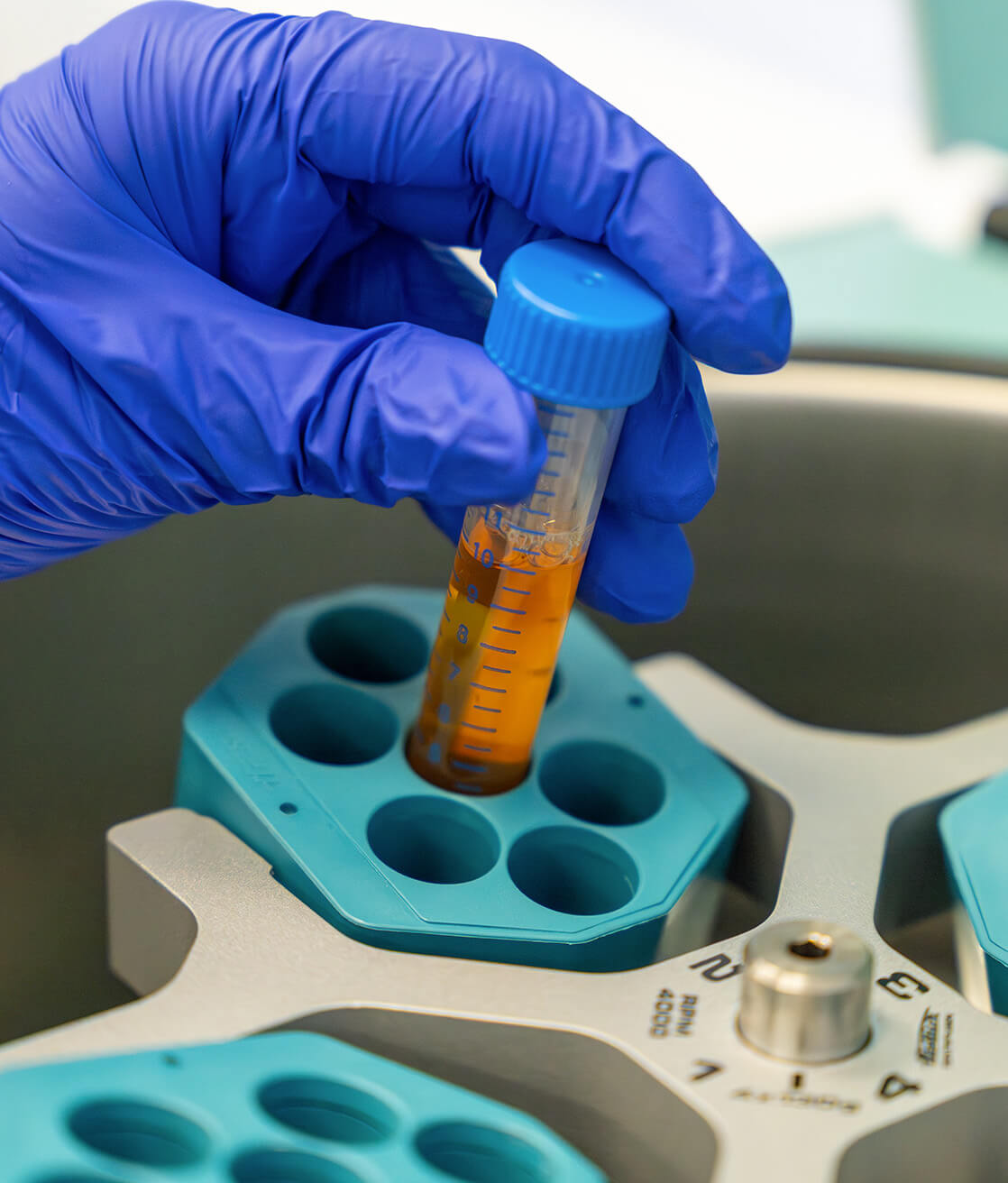
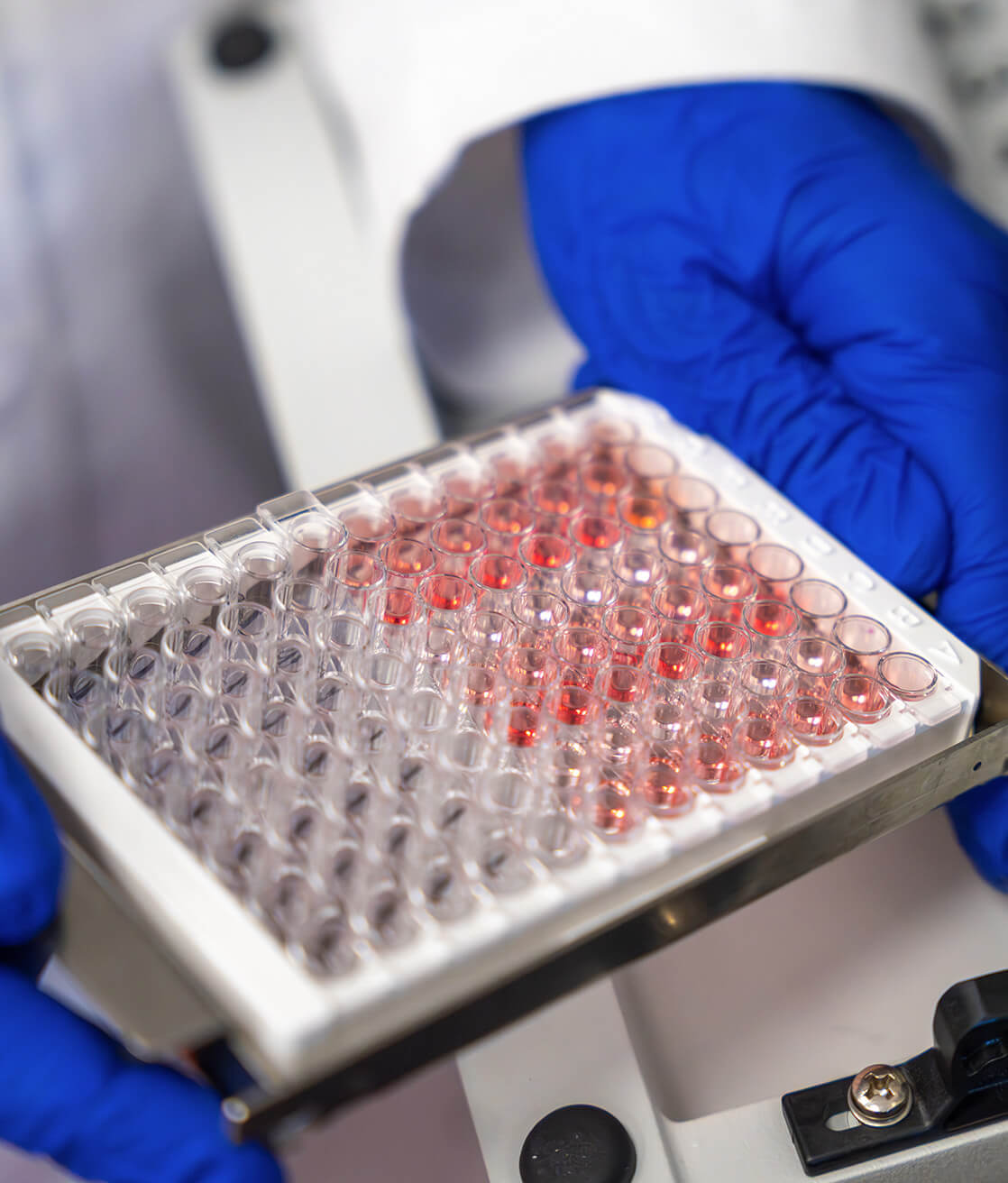
laboratory analysis
Find other tests
Total tau
This test provides the quantitative determination of total tau protein to support the diagnosis of Alzheimer’s disease.
Phosphorylated Tau (pTau181)
This test provides the quantitative determination of tau protein phosphorylated at threonine 181 (pTau181), to support the diagnosis of Alzheimer’s disease.
Anti–NMDAR Antibodies
Test for the determination of human autoantibodies against NMDAR to support the diagnosis of paraneoplastic neurological syndromes with an intermediate-risk phenotype.
Discover what’s new
Subscribe to the newsletter
Subscribe to our newsletter to be always updated.