
Anti–Tissue Transglutaminase IgA Antibodies
Test details
Coeliac disease is an autoimmune condition triggered by gluten ingestion in genetically predisposed individuals; the HLA-DQ2 and/or HLA-DQ8 haplotype is present in 90–95% of cases. Gluten is found in cereals such as wheat, barley and rye, and includes a protein fraction called gliadin. Following gluten ingestion, in predisposed subjects gliadin is deamidated by the enzyme tissue transglutaminase (tTG), generating immunogenic neo-epitopes capable of activating CD4+ T lymphocytes in the intestinal lamina propria, inducing an immune-mediated response that damages the duodenal mucosa, with progressive atrophy of the intestinal villi.
Clinically, coeliac disease may present with classic gastrointestinal symptoms (diarrhoea, malabsorption, weight loss), atypical forms (anaemia, osteoporosis, infertility), or be asymptomatic (silent form). Diagnosis relies on a combination of serological tests and, in many cases, intestinal biopsy.
Under physiological conditions, tTG is an intracellular enzyme involved in protein cross-linking and tissue repair, particularly in the intestinal mucosa. In coeliac disease, however, tTG deamidates gliadin, increasing its affinity for HLA-DQ2/DQ8 molecules and promoting activation of the immune system. The deamidated-gliadin–tTG complex acts as an antigen, inducing an autoimmune response and the production of anti-tTG IgA autoantibodies, one of the main disease markers.
The 2020 ESPGHAN (European Society for Paediatric Gastroenterology, Hepatology and Nutrition) guidelines recommend, for initial screening, measuring anti-tTG IgA and total serum IgA (to exclude selective IgA deficiency). In paediatric patients, if anti-tTG IgA levels are ≥10 times the upper limit of normal (≥10× ULN) and the family agrees, intestinal biopsy can be omitted. If titres are lower or the clinical doubts persist, a duodenal biopsy is recommended to confirm the diagnosis and to classify mucosal damage according to the Marsh scale.
High anti-tTG IgA levels are generally associated with Marsh 2 or 3 histological lesions, while a progressive decline to negativity during follow-up indicates good adherence to a gluten-free diet.
Sample type
Serum, EDTA plasma, heparin plasma, citrate plasma*
* only for ELISA test
Method
ELISA, ChLIA
Preparation
Fasting for at least 8-12 hours before sampling
Storage conditions
Refer to the Health Service Charter to check storage conditions
Shipping
+2/+8°C
References
Husby S, Koletzko S, Korponay-Szabó I, Kurppa K, Mearin ML, Ribes-Koninckx C, Shamir R, Troncone R, Auricchio R, Castillejo G, Christensen R, Dolinsek J, Gillett P, Hróbjartsson A, Koltai T, Maki M, Nielsen SM, Popp A, Størdal K, Werkstetter K, Wessels M. European Society Paediatric Gastroenterology, Hepatology and Nutrition Guidelines for Diagnosing Coeliac Disease 2020. J Pediatr Gastroenterol Nutr. 2020 Jan;70(1):141-156. doi: 10.1097/MPG.0000000000002497. PMID: 31568151.
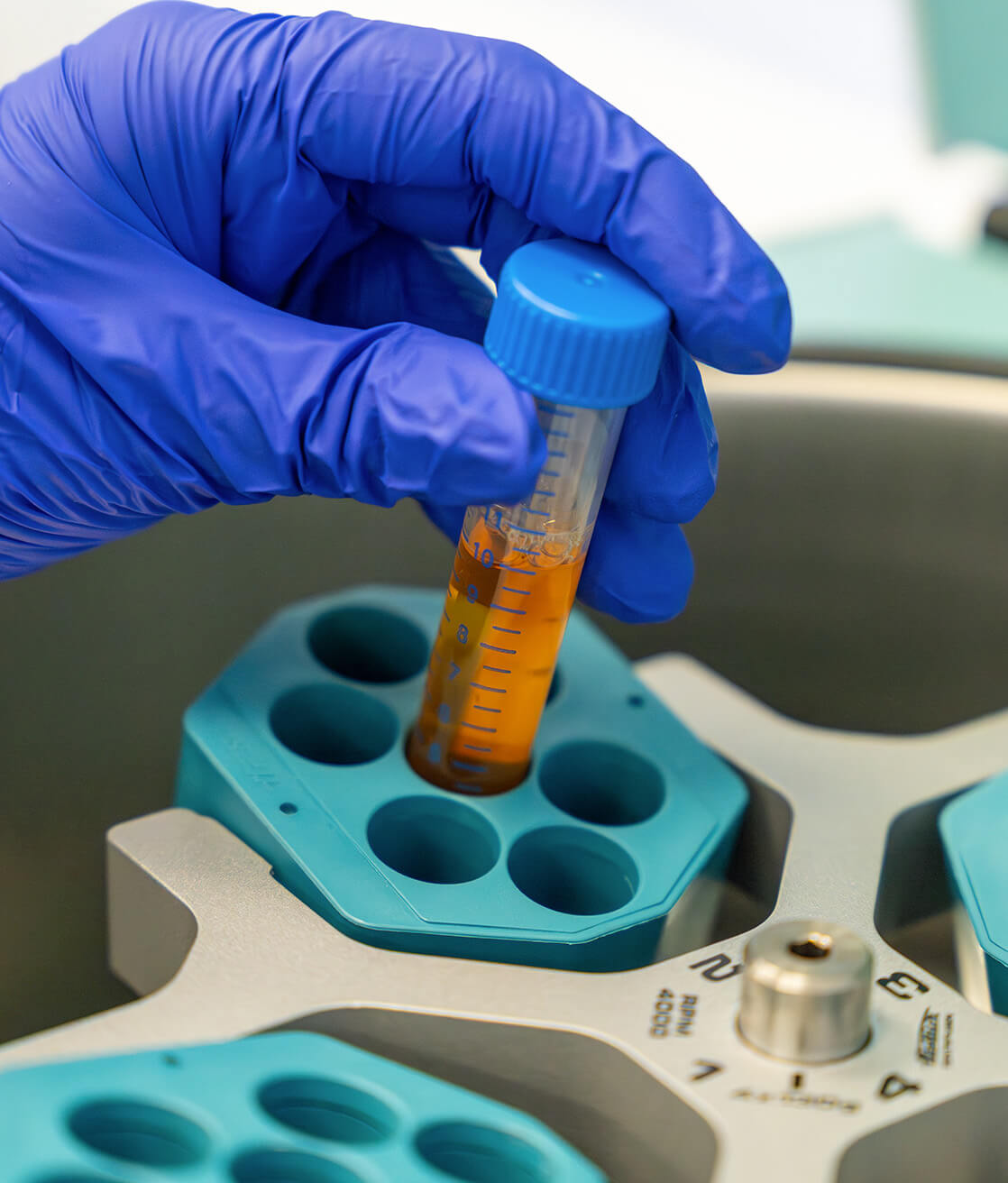
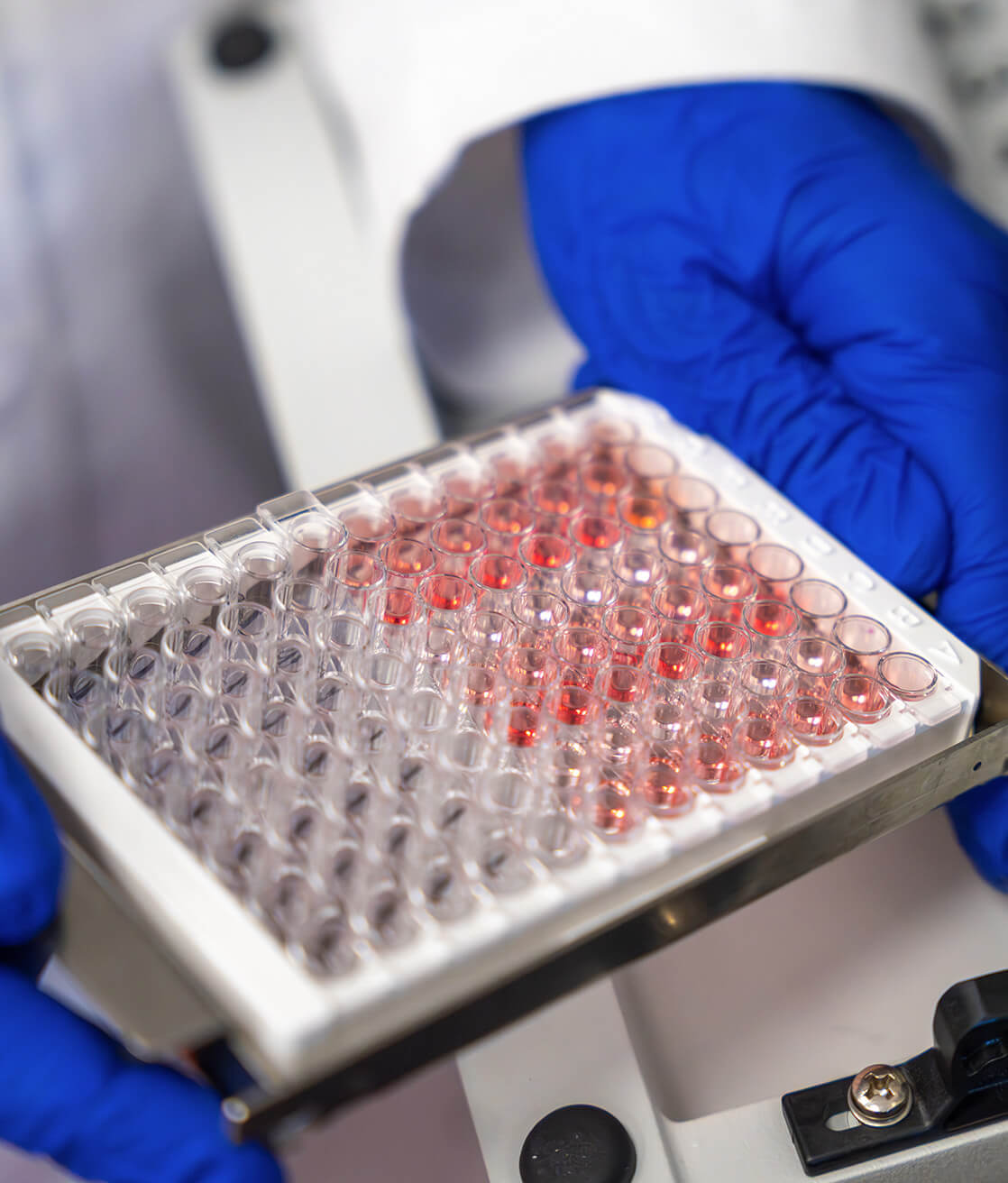
laboratory analysis
Find other tests
Total tau
This test provides the quantitative determination of total tau protein to support the diagnosis of Alzheimer’s disease.
Phosphorylated Tau (pTau181)
This test provides the quantitative determination of tau protein phosphorylated at threonine 181 (pTau181), to support the diagnosis of Alzheimer’s disease.
Anti–NMDAR Antibodies
Test for the determination of human autoantibodies against NMDAR to support the diagnosis of paraneoplastic neurological syndromes with an intermediate-risk phenotype.
Discover what’s new
Subscribe to the newsletter
Subscribe to our newsletter to be always updated.