
e101 - nCan f 1 (Canis familiaris)
Test details
This test is useful when a dog allergy is suspected and to identify the specific molecule that has previously caused a positive result in the associated allergen extract test.
Can f 1 is a lipocalin produced in the dog’s sebaceous glands, with the highest concentration found in dog fur, dander, and saliva. The prevalence of this molecule is about 50% in patients sensitised to dogs, and the symptoms associated to this allergy typically include allergic rhinitis, conjunctivitis and coughing caused by an itchy throat. It has been observed that children with high concentrations of IgE against Can f 1 are more likely to develop bronchial asthma. Cross-reactivities may occur with Can f 2 and with the feline lipocalin Fel d 7.
Sample type
Serum
Method
ChLIA
Preparation
Fasting for at least 8-12 hours before sampling
Storage conditions
Refer to the Health Service Charter to check storage conditions
Shipping
+2/+8°C
References
Hamilton RG. Allergic sensitization is a key risk factor for but not synonymous with allergic disease. J Allergy Clin Immunol. 2014 Aug;134(2):360-1. doi: 10.1016/j.jaci.2014.02.022. Epub 2014 Mar 31. PMID: 24698318.
Matricardi PM, Kleine-Tebbe J, Hoffmann HJ, Valenta R, Hilger C, et al. EAACI Molecular Allergology User's Guide. Pediatr Allergy Immunol. 2016 May;27 Suppl 23:1-250. doi: 10.1111/pai.12563. PMID: 27288833.
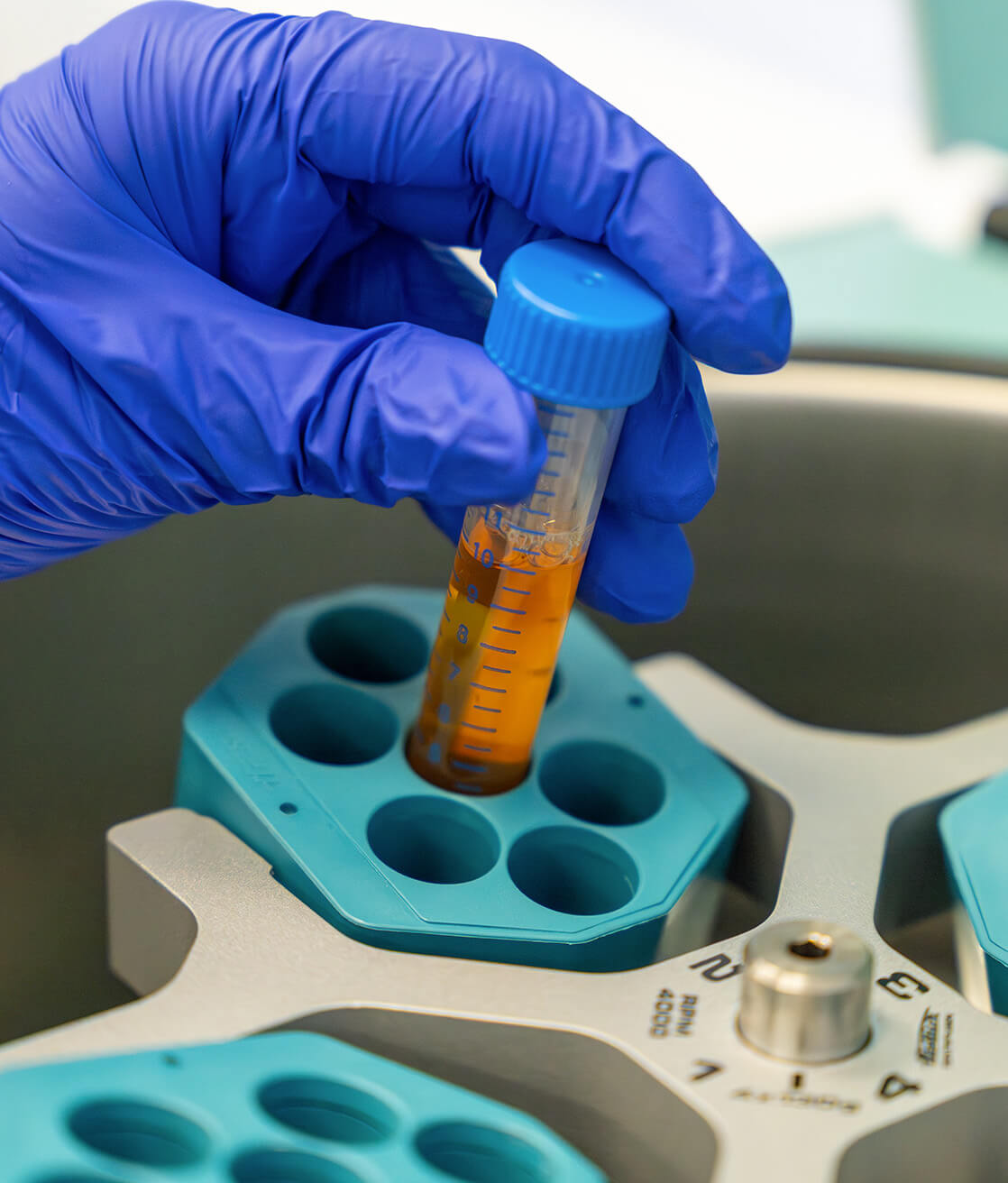
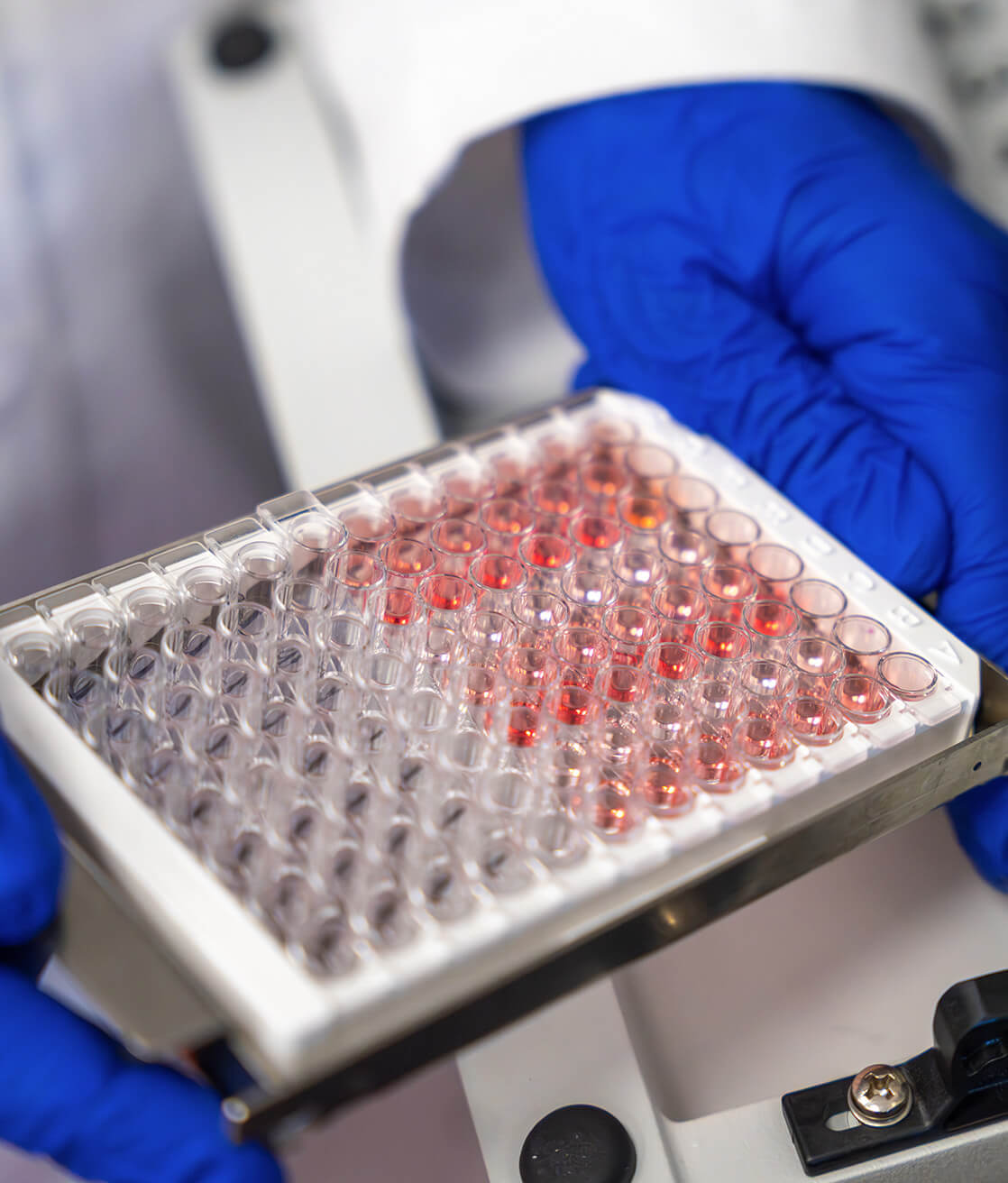
laboratory analysis
Find other tests
Total tau
This test provides the quantitative determination of total tau protein to support the diagnosis of Alzheimer’s disease.
Phosphorylated Tau (pTau181)
This test provides the quantitative determination of tau protein phosphorylated at threonine 181 (pTau181), to support the diagnosis of Alzheimer’s disease.
Anti–NMDAR Antibodies
Test for the determination of human autoantibodies against NMDAR to support the diagnosis of paraneoplastic neurological syndromes with an intermediate-risk phenotype.
Discover what’s new
Subscribe to the newsletter
Subscribe to our newsletter to be always updated.