
Phosphorylated Tau (pTau181)
Test details
Alzheimer’s disease is a neurodegenerative disorder characterised by progressive cognitive decline; it is the leading cause of dementia in individuals over the age of 65.
Disease progression is characterised by three stages: a preclinical stage, the MCI stage (mild cognitive impairment) and the dementia phase.
The preclinical stage can last several years and is initially characterised by amyloidosis, followed by tauopathy, neurodegeneration and mild cognitive impairment.
As the cognitive deficit increases, the disease progresses into the MCI stage. The final stage of the disease is also characterised by the inability to perform activities of daily living.
Following a clinical diagnosis of Alzheimer’s disease, the average life expectancy of the patient is 7 to 10 years.
Alzheimer’s disease is characterised by an accumulation of extracellular plaques and the intracellular formation of neurofibrillary tangles in the cortical and limbic regions of the brain, leading to the degeneration of neurons and synapses.
Senile plaques are aggregates of β-amyloid peptides Aβ1-40 and Aβ1-42, which originate from the amyloid precursor protein.
Intracellular neurofibrillary tangles, on the other hand, are made of hyperphosphorylated tau proteins.
The detection of Aβ1-42, the Aβ1-42/Aβ1-40 ratio, total tau, and phosphorylated tau in the cerebrospinal fluid are essential biomarkers for Alzheimer’s disease and support the clinical diagnosis, although it is not possible to diagnose Alzheimer’s disease solely on the basis of laboratory testing.
Findings must always be considered in combination with all other diagnostic data.
Total tau and phosphorylated tau (pTau181) both increase in the cerebrospinal fluid of patients with Alzheimer’s disease.
While total tau is a non-specific marker of neurodegeneration, the levels of phosphorylated tau (pTau181) are significantly higher in the CSF of Alzheimer’s patients compared to non-demented controls or patients with other neurodegenerative diseases (Lewy body dementia, Parkinson’s disease, or multiple system atrophy).
Increases in total tau and phosphorylated tau reflect the extent of neuronal and axonal damage and degeneration, and are associated with a more rapid progression from MCI to dementia.
Sample type
CSF
Method
ELISA, ChLIA
Preparation
Fasting for at least 8-12 hours before sampling
Storage conditions
Refer to the Health Service Charter to check storage conditions
Shipping
+2/+8°C
References
Lewczuk P, Łukaszewicz-Zając M, Mroczko P, Kornhuber J. Clinical significance of fluid biomarkers in Alzheimer's Disease. Pharmacol Rep. 2020 Jun;72(3):528-542. doi: 10.1007/s43440-020-00107-0. Epub 2020 May 8. PMID: 32385624; PMCID: PMC7329803
Hansson O, Batrla R, Brix B, Carrillo MC, Corradini V, Edelmayer RM, Esquivel RN, Hall C, Lawson J, Bastard NL, Molinuevo JL, Nisenbaum LK, Rutz S, Salamone SJ, Teunissen CE, Traynham C, Umek RM, Vanderstichele H, Vandijck M, Wahl S, Weber CJ, Zetterberg H, Blennow K. The Alzheimer's Association international guidelines for handling of cerebrospinal fluid for routine clinical measurements of amyloid β and tau. Alzheimers Dement. 2021 Sep;17(9):1575-1582. doi: 10.1002/alz.12316. Epub 2021 Mar 31. PMID: 33788410.
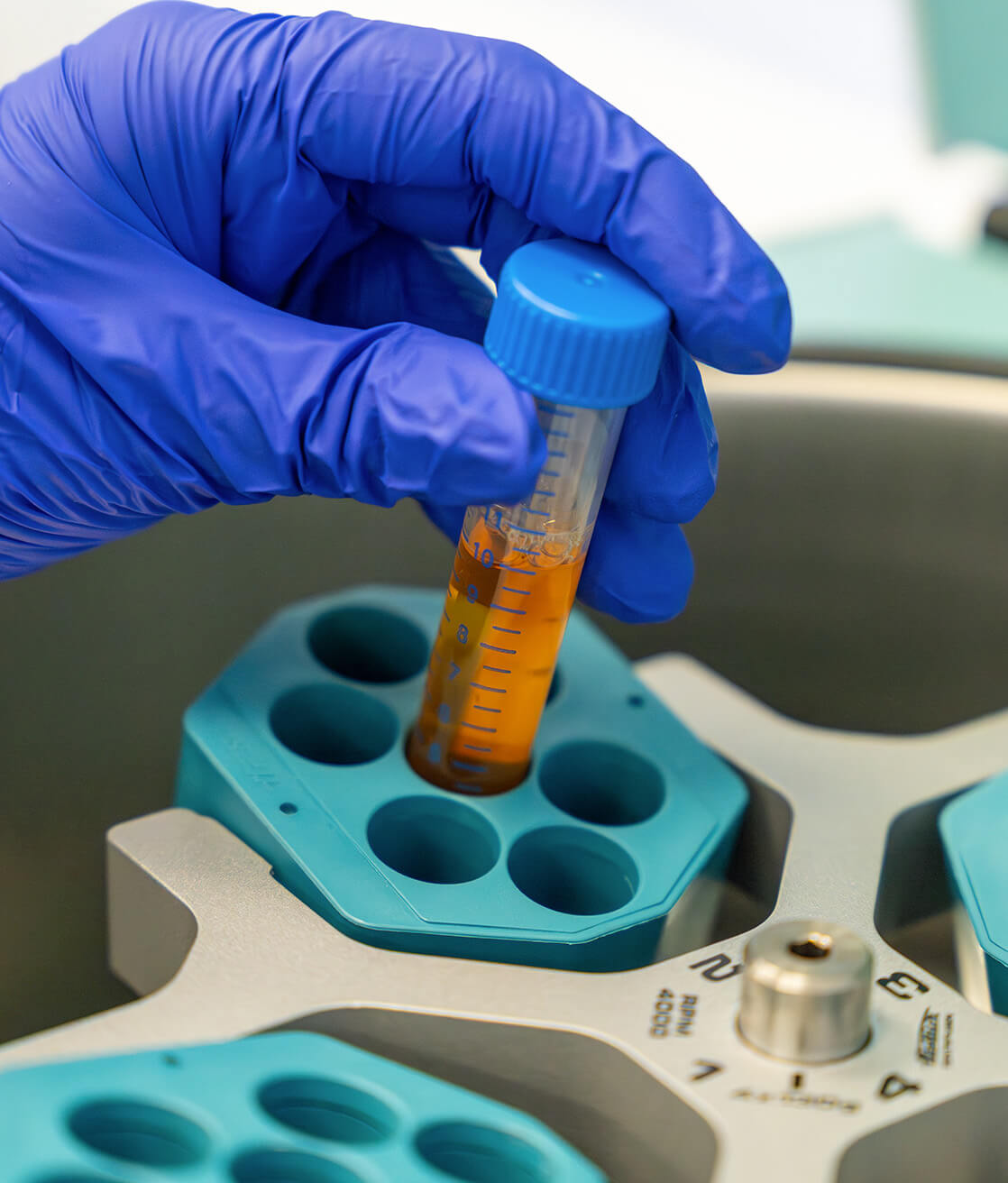
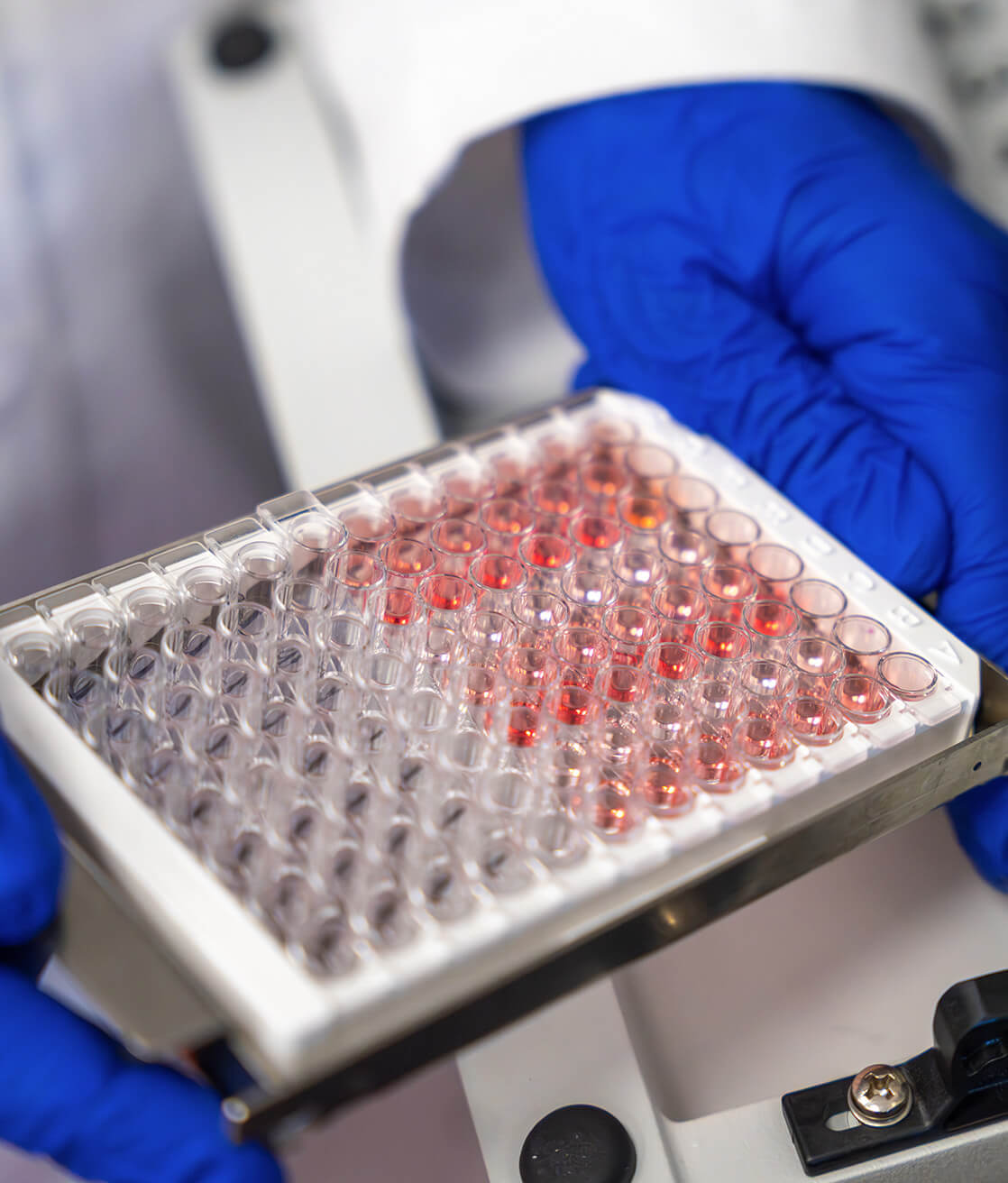
laboratory analysis
Find other tests
Total tau
This test provides the quantitative determination of total tau protein to support the diagnosis of Alzheimer’s disease.
Phosphorylated Tau (pTau181)
This test provides the quantitative determination of tau protein phosphorylated at threonine 181 (pTau181), to support the diagnosis of Alzheimer’s disease.
Anti–NMDAR Antibodies
Test for the determination of human autoantibodies against NMDAR to support the diagnosis of paraneoplastic neurological syndromes with an intermediate-risk phenotype.
Discover what’s new
Subscribe to the newsletter
Subscribe to our newsletter to be always updated.